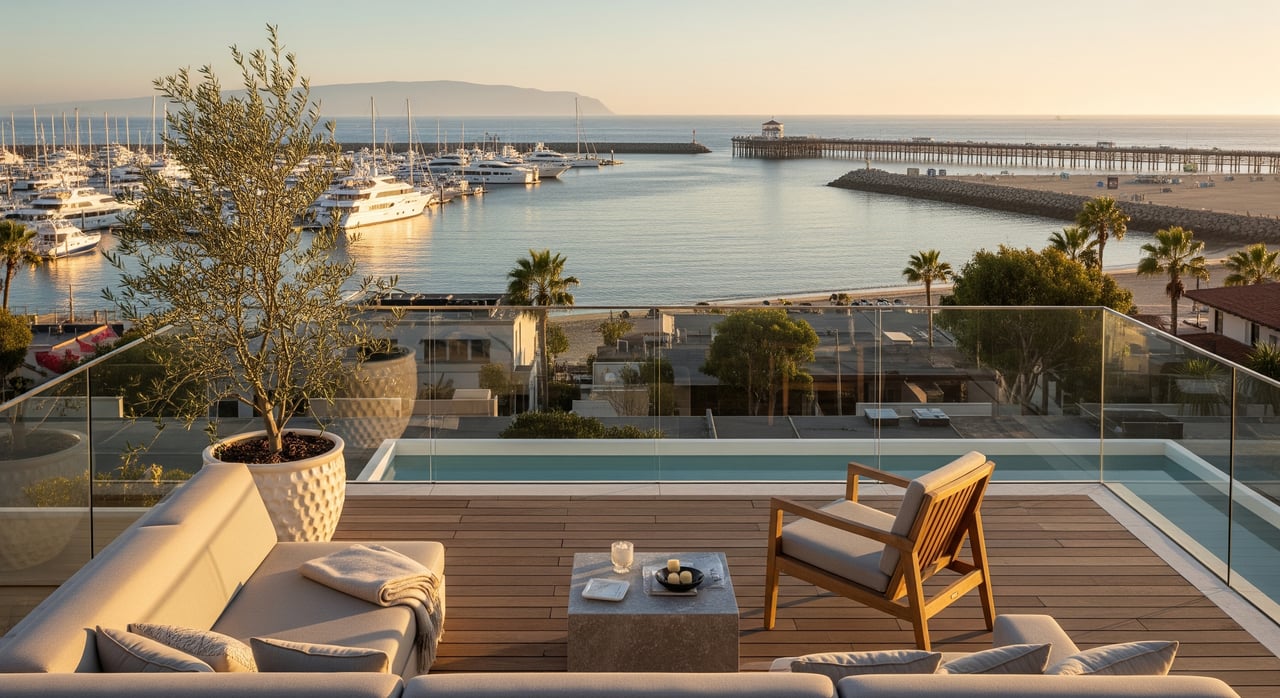
North vs South Redondo Beach: Choose Your Perfect Fit
February 12, 2026
February 12, 2026
Choosing between North and South Redondo Beach can feel like splitting hairs. Both deliver sun, surf, and a laid-back coastal lifestyle, yet the day-to-day feel and housing options can be very different. If you are set on Redondo but not sure which side is right for you, this guide will help you compare lifestyle, housing, commutes, and coastal factors. You will also get a practical checklist to use when you tour homes so you can decide with confidence. Let’s dive in.
Redondo Beach does not have a single official line that splits the city into two halves. Locals use landmarks. For this guide, you can think of:
Use these reference points to frame your search and compare what matters to you on a block-by-block basis.
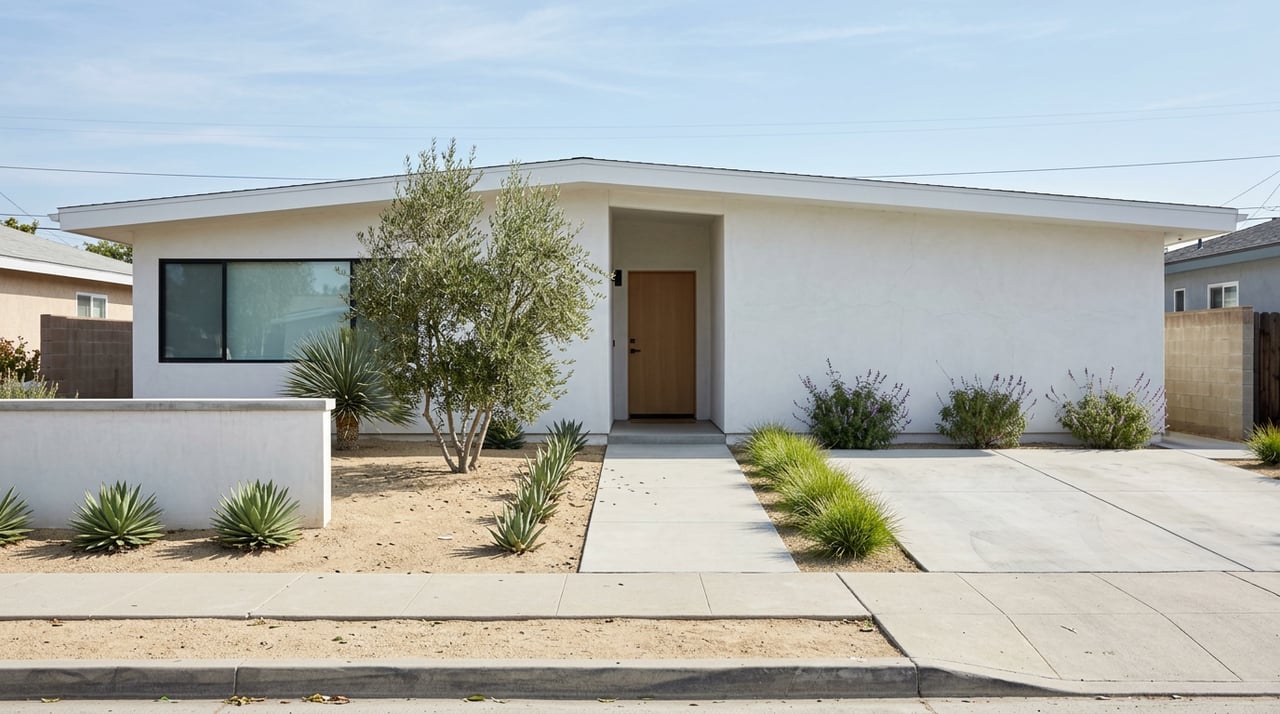
In North Redondo, you will see a strong presence of detached single-family homes on larger lots, including cottage and Craftsman styles, plus mid-century and newer infill. Pocket condos and duplexes appear near commercial corridors. Vertical additions and ADUs are common where zoning allows, so check lot coverage and height rules if you plan to expand.
Near the harbor and beachfront in South Redondo, condos, townhomes, and small-lot single-family homes are more common. Many buildings were designed to maximize water proximity and views. Some marinaside properties involve association rules tied to boat slips and shared facilities, so review those details closely during due diligence.
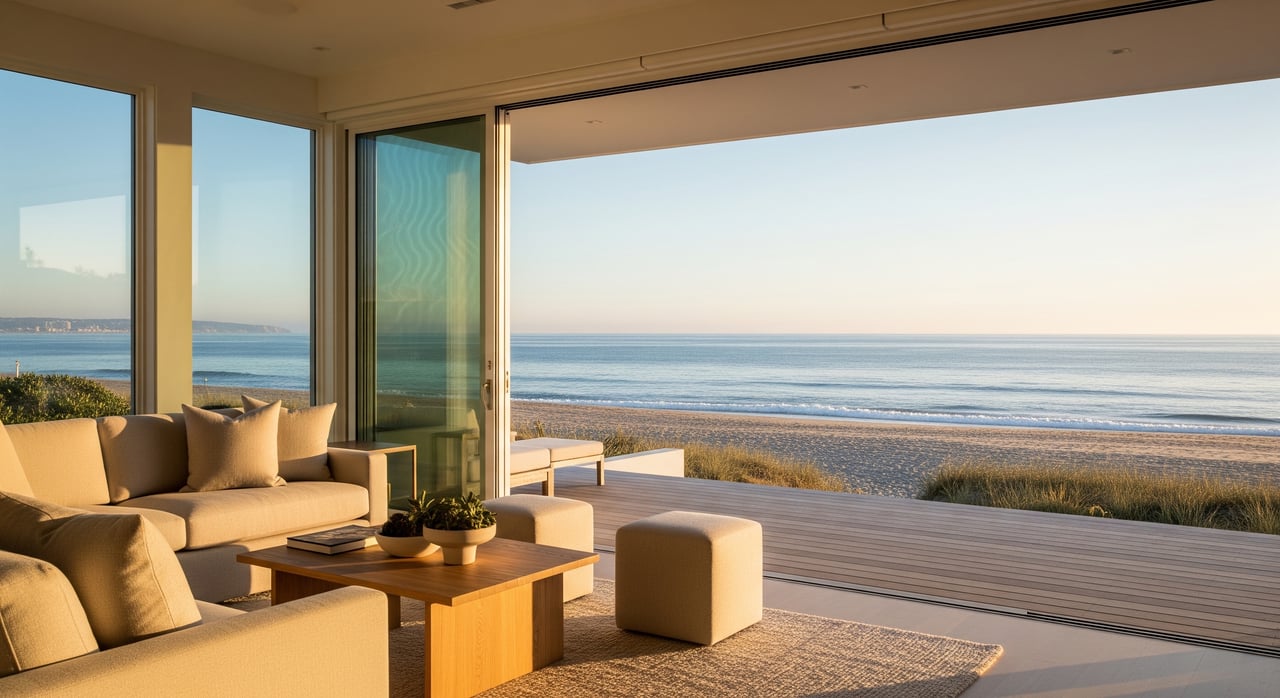
South Redondo places you steps from King Harbor, the pier, and waterfront boardwalks with fishing and boating amenities. North Redondo is still within reach of beaches in many pockets, though you are generally a bit farther from marina infrastructure. California’s public access rules ensure beaches are open to all, yet the specifics of parking, ramps, and pedestrian routes vary by block. Always check the exact access points relative to any home you are considering.
Redondo offers waterfront promenades, neighborhood parks, and community recreation centers. Seaside Lagoon near the harbor is a popular seasonal facility. The coastal bike and pedestrian corridor links Redondo with neighboring South Bay communities, and a short drive places you at the Palos Verdes headlands for scenic hikes and elevated ocean views.
Redondo Beach Unified School District serves the city. Attendance boundaries can influence buyer demand and pricing for specific homes. If schools are part of your decision, verify current boundary maps and review publicly available performance data before you focus your search on a given pocket.
Pacific Coast Highway runs through Redondo and is a key north-south artery. The I-405 is the main freeway connection for the South Bay. Drive times to LAX, the Westside, and South Bay job centers vary widely by time of day, so test your target commute during real-world windows.
Local bus routes include Beach Cities Transit and Torrance Transit, with LA Metro connections available via transfers. There is no direct heavy rail line from central Redondo to Downtown LA without transfers. The coastal bike corridor supports cycling to neighboring beach cities, though block-level bike storage and parking conditions vary.
Parking patterns differ by area. Near the pier and harbor, peak-season weekends and special events can tighten street parking and increase traffic. Many condos have assigned spaces, though older buildings may limit guest parking. In North Redondo, single-family neighborhoods often provide on-lot garages and more predictable street parking, but always check local rules on a block-by-block basis.
Properties inside the California Coastal Zone can require a Coastal Development Permit for major exterior or shoreline work. Waterfront homes may be subject to seawall, bluff, and shoreline rules. Plan for added review time and potential costs if your project is near the water.
Oceanfront and harbor-adjacent properties often carry higher homeowner premiums, and some lenders require flood insurance if the home sits in a FEMA flood zone. Earthquake coverage is a separate decision. Get insurance quotes early in your search, especially if you are evaluating first-row or harbor-facing properties.
Many beach communities have tightened short-term rental regulations. Check Redondo Beach municipal rules for registration, limits, and enforcement before assuming you can operate a rental. Confirm any history of short-term rental use at the property and verify that the use complies with current rules.
Use these questions to score each property from 1 to 5. Add up your scores and see which side aligns best.
Bring this list to each showing so you can compare homes apples to apples.
Waterfront and first-row properties are highly desirable, yet the buyer pool at the top end can be smaller and holding costs can be higher due to insurance and maintenance. Major improvements near the water often face more layers of oversight. Inland single-family homes often attract owner-occupants, while condos may draw a mix of end users and investors. If long-term appreciation is important to you, look for homes with stable public access, clear school assignments, and fewer regulatory uncertainties.
There is no wrong answer between North and South Redondo Beach. Your best fit comes down to how you want to live every day, how you plan to use the beach and harbor, your comfort with HOAs and coastal rules, and the realities of your commute and budget. Start by defining your top three non-negotiables, then use the decision framework and checklist above to compare specific addresses.
If you want local insight tailored to your lifestyle and timeline, we are here to help. Reach out to the Steve and Helen Nimeh Real Estate Group for a friendly consult and to get matched with on and off-market options that fit your priorities. Get a free home valuation & local market consultation.
Stay up to date on the latest real estate trends.
Get assistance in determining current property value, crafting a competitive offer, writing and negotiating a contract, and much more. Contact us today.