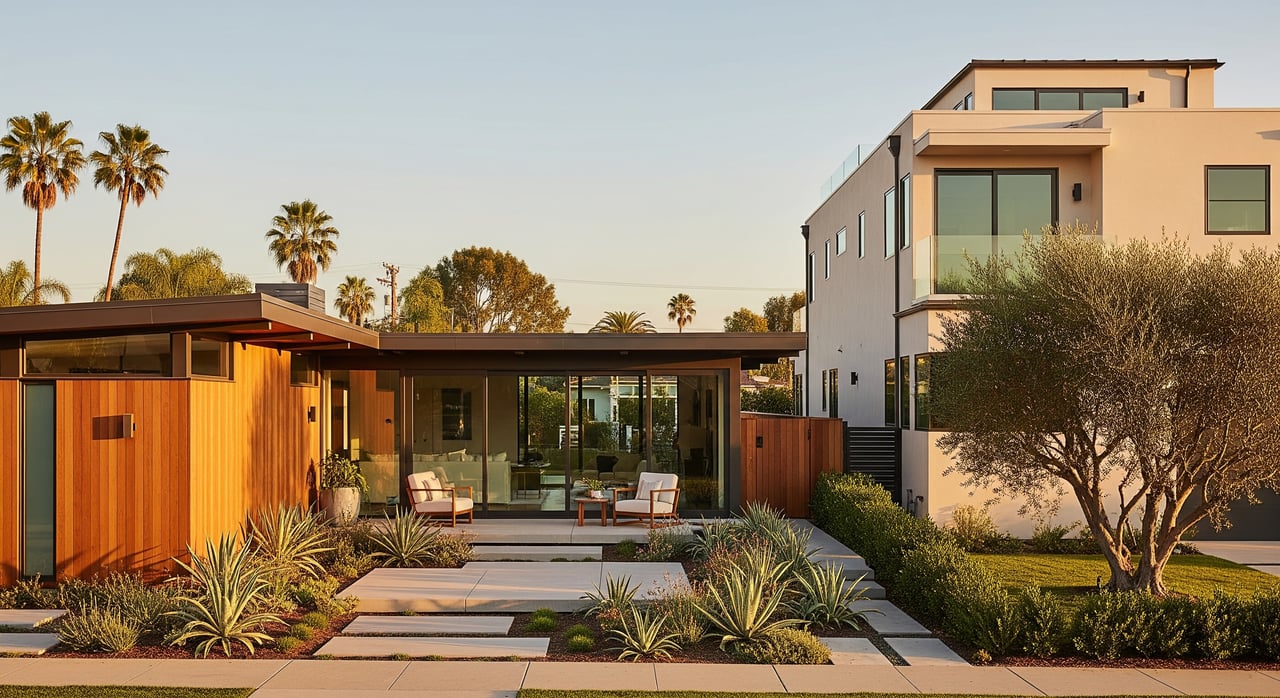
Single-Story vs Two-Story Homes In Torrance
December 18, 2025
December 18, 2025
Trying to choose between a single-story and a two-story home in Torrance? You are not alone. Buyers here weigh space, comfort, and long-term plans against lot size, permits, and resale value. This guide breaks down how each option lives, what it costs to maintain, how buyers respond, and what local rules mean for your plans. Let’s dive in.
Torrance offers a mix of post-war single-story ranches and mid-century bungalows alongside newer infill and custom two-story homes. Older central neighborhoods often have more one-level homes, while replacement and infill projects tend to go two stories to maximize living area on smaller lots. Demand is strong from commuters, beach lovers, and a wide range of buyers, so story count is only one piece of the puzzle. Location, condition, and layout often drive value more than levels alone.
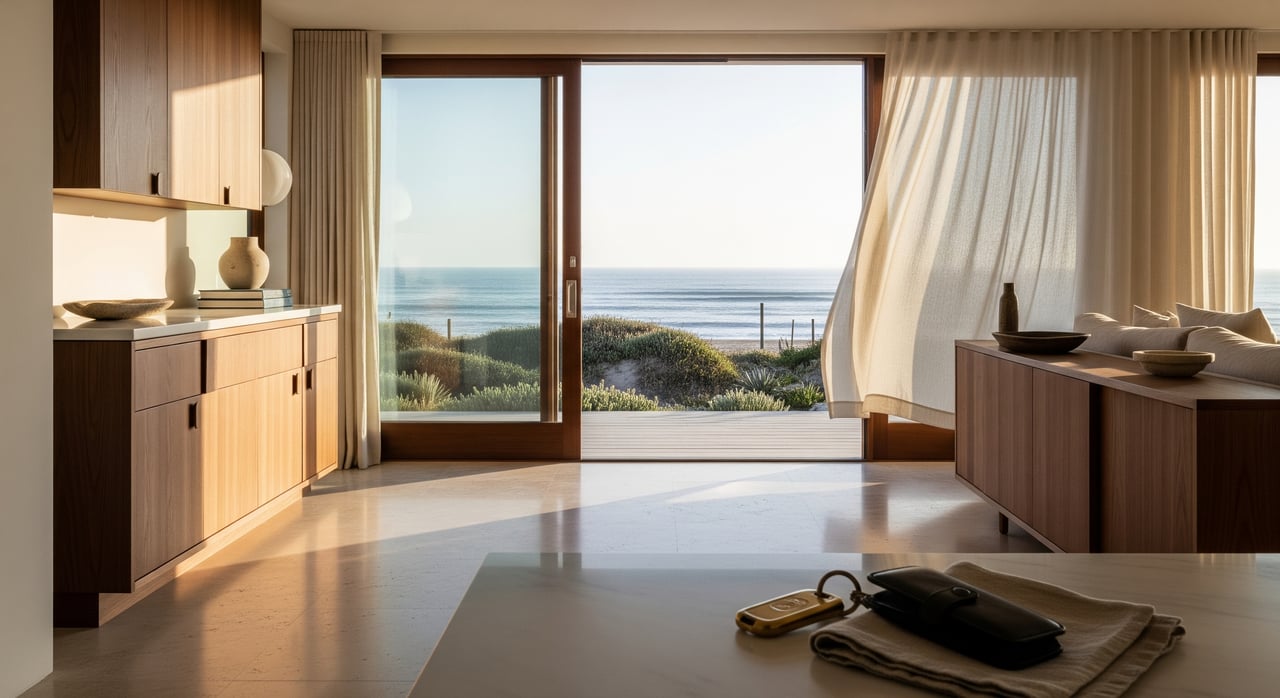
Single-level living is all about simplicity and ease. You get a smooth indoor–outdoor flow and no stairs to manage. Many single-story homes sit on larger footprints, which can make yards feel more usable.
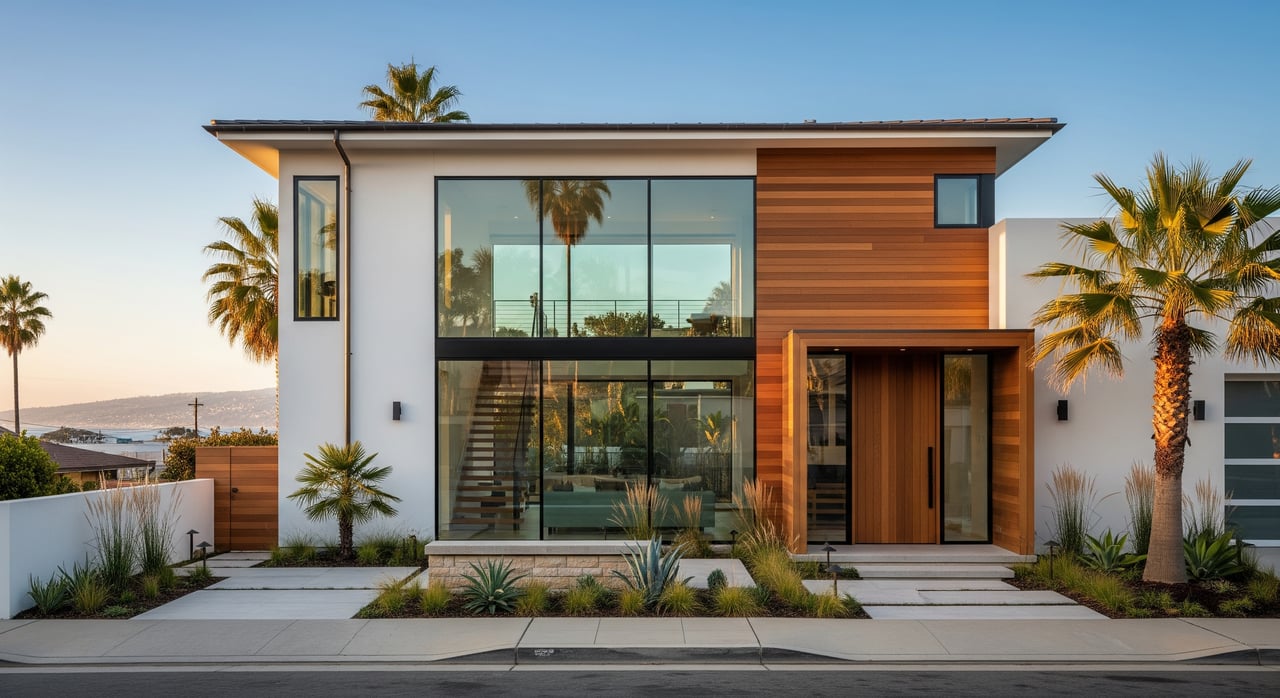
Two-story homes offer more space on smaller lots, which fits many infill and newer builds in Torrance. Bedrooms upstairs can create a natural separation from living areas.
Purchase price depends on neighborhood trends, lot size, and condition. Two-story homes often deliver more square footage on a smaller lot, while single-story homes can command premiums in areas where aging-in-place buyers are active. Always compare recent local comps to understand how your micro-market values each type.
For energy-saving programs and incentives, check with Southern California Edison and the California Energy Commission.
Buyer segments vary. Many downsizers and buyers with mobility considerations look for single-level living. Families who need more interior space often prioritize two-story layouts, especially on smaller lots. In practice, both types sell well when they match neighborhood norms and are priced and presented correctly. School assignments, commute routes, and proximity to beaches and retail can outweigh story count in buyer decisions.
If you want a data-driven read on your neighborhood, look to recent local comps and city-level trends. The California Association of Realtors market data can help you track broader conditions, while a custom MLS pull will show how single-story and two-story homes are performing right now.
Your ability to build up or out depends on city rules. Height limits, setbacks, and lot coverage all matter for additions and rebuilds. Start with the Torrance City Planning Division for zoning maps and standards. For project requirements and inspections, use Torrance Building & Safety.
Accessory Dwelling Units are common in the South Bay and can factor into your choice of home. State rules are more flexible today, and lot layout often determines whether a rear-yard ADU or other configuration makes sense. Review California ADU guidance along with Torrance’s local standards.
Earthquake safety matters for both one-level and two-level homes. Older homes may need foundation bolting or other retrofits. Learn about common retrofit approaches and insurance implications through the California Earthquake Authority.
For flood exposure, verify parcel-level risk on the FEMA Flood Map Service Center. Some South Bay pockets near the coast or low-lying areas may have specific requirements or insurance considerations.
Use this quick list to compare options as you tour homes.
If you are preparing to list, tailor your strategy to your home’s strengths.
Start with your 5-year plan. If accessibility and simple maintenance top your list, a single-story home may be the best match. If you want maximum square footage on a modest lot or need bedroom separation, a two-story can be ideal. Then layer in zoning and permit realities, ADU potential, and energy upgrades to refine the decision.
To validate value, compare recent sales for each type in your target neighborhood and review parcel details through the Los Angeles County Assessor. A local, apples-to-apples comp set will show which features the market is rewarding right now.
Ready to compare options with a local plan? Reach out to Steve and Helen Nimeh Real Estate Group for a free home valuation & local market consultation.
Stay up to date on the latest real estate trends.
Get assistance in determining current property value, crafting a competitive offer, writing and negotiating a contract, and much more. Contact us today.