Leave a Message

Thank you for your message. We will be in touch with you shortly.

How Ocean Views Impact Appraisals In Palos Verdes

December 25, 2025

Does a front-row sunset in West Palos Verdes really add dollars to your home’s appraised value? If you’re eyeing the Pacific from your living room or hoping to, you’re not alone. Buyers love a coastal view, but appraisers have to prove the market loves it too. In this guide, you’ll learn how view quality, scarcity, and local risks shape appraisals on the Palos Verdes Peninsula, plus smart steps to protect and present your view’s value whether you’re buying or selling. Let’s dive in.

Why ocean views matter in appraisals

An appraiser’s job is to estimate market value, meaning the most probable price under typical conditions. Views influence what buyers are willing to pay, so appraisers analyze how much a specific view contributes to value using local market evidence and standard methods.

In Palos Verdes, panoramic ocean views are relatively scarce because of the Peninsula’s topography and low parcel density. That scarcity can create a premium when demand is present. At the same time, local hazards like bluff erosion, landslide history, wildfire exposure, and a lack of automatic view protection can temper the premium. The result is a view premium that is real in many cases, but not automatic or uniform.

What counts as a “view” in Palos Verdes

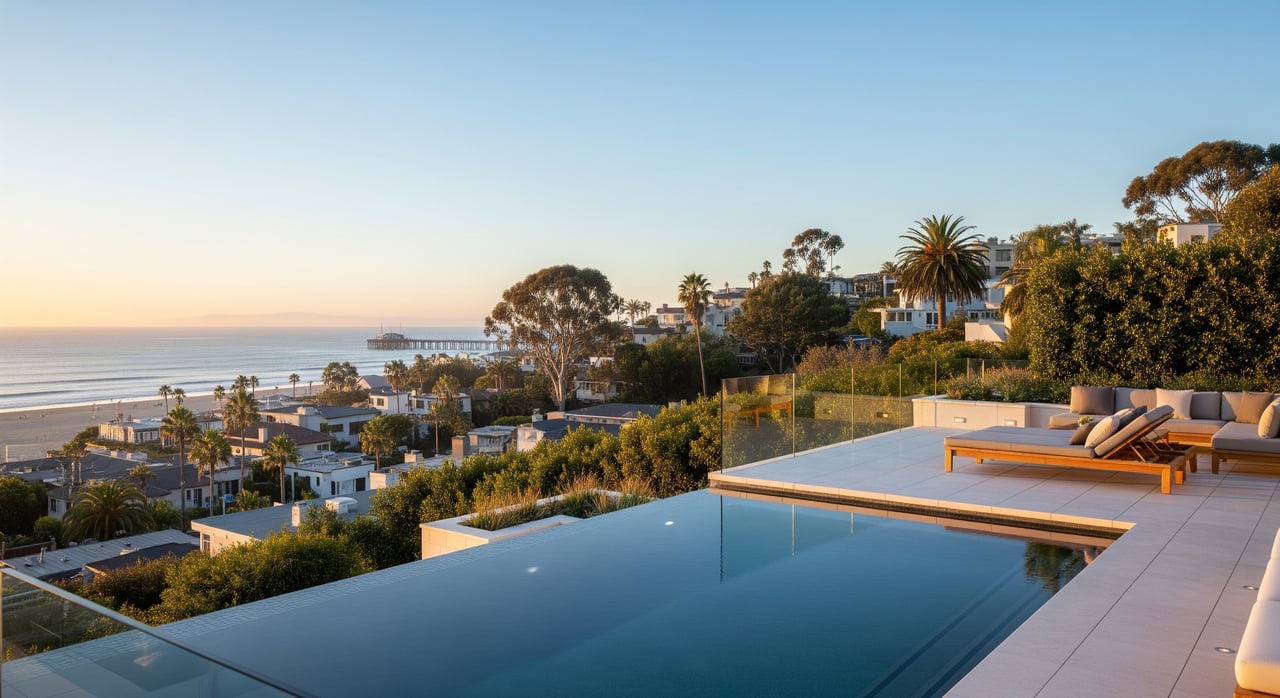
Panoramic or full ocean view

This is a wide, uninterrupted ocean vista, often including coastline or cliffs. It typically commands the strongest premium when supported by local sales.

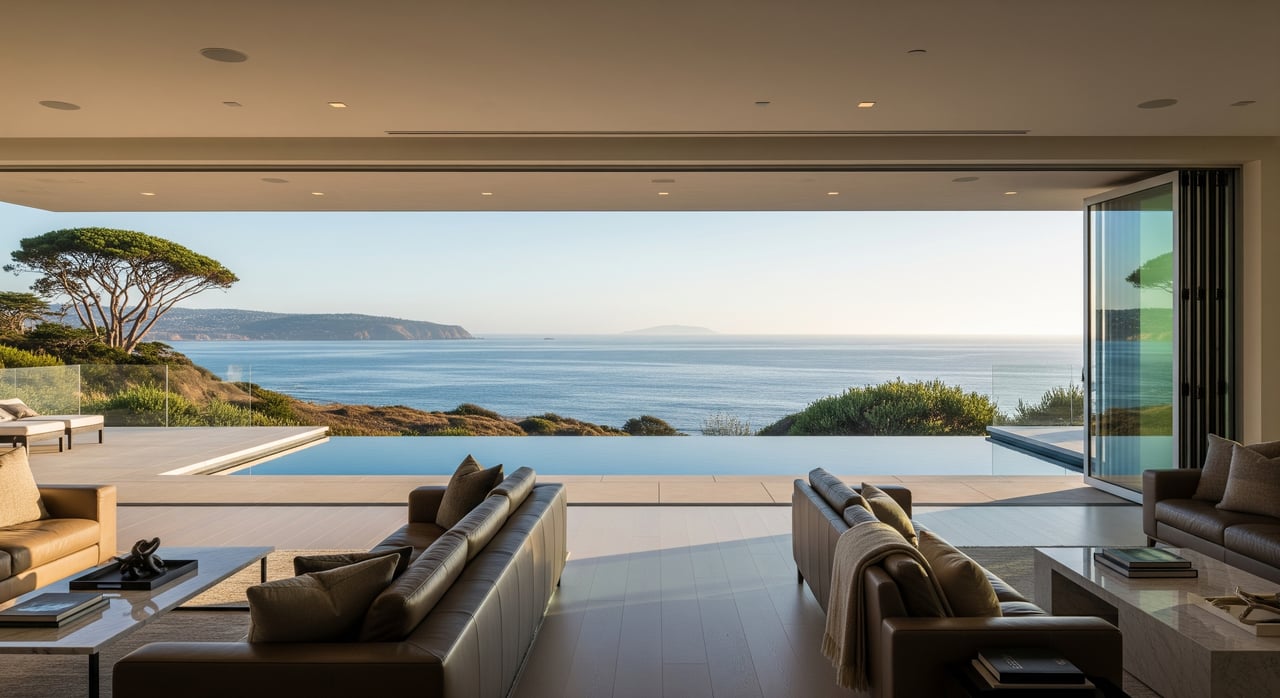
Primary ocean view from main rooms

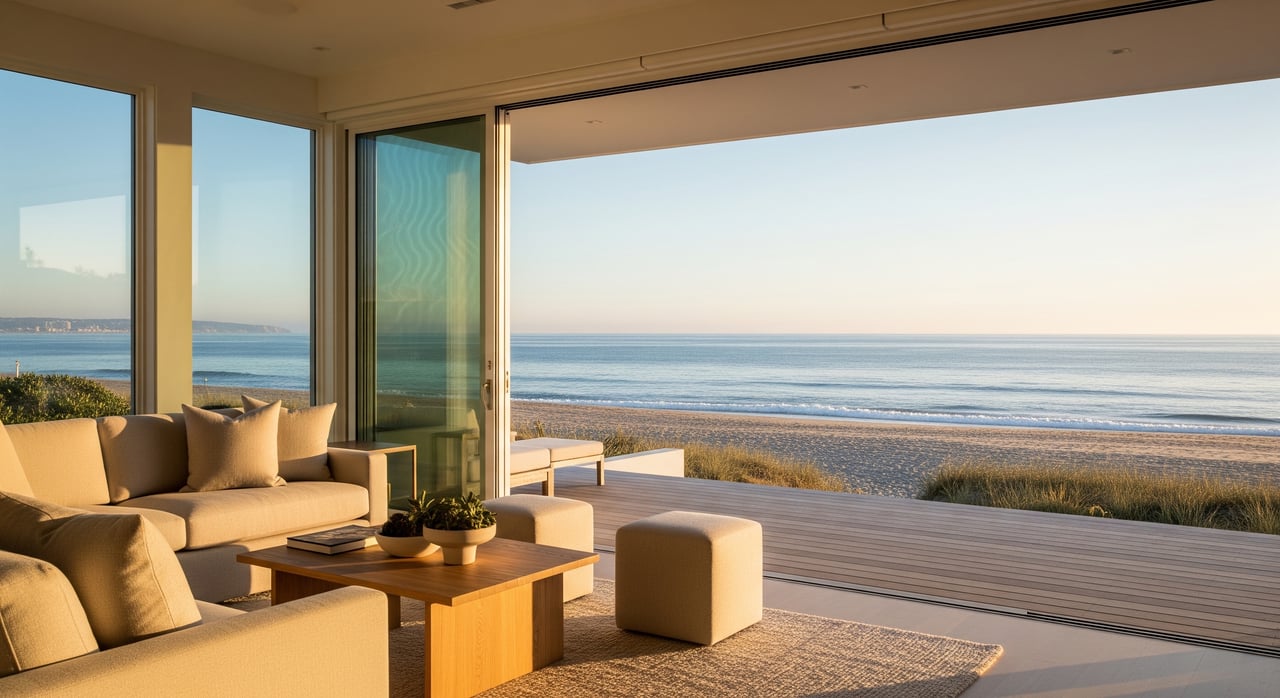
If the ocean is a focal point from your living room, kitchen, or primary bedroom, buyers tend to value it more than a view that is only visible from a secondary space or outdoors.

Partial or distant ocean view

A slice of blue over rooftops or a distant horizon is still a view, but it usually carries a smaller premium than a sweeping panorama.

Visible features and direction

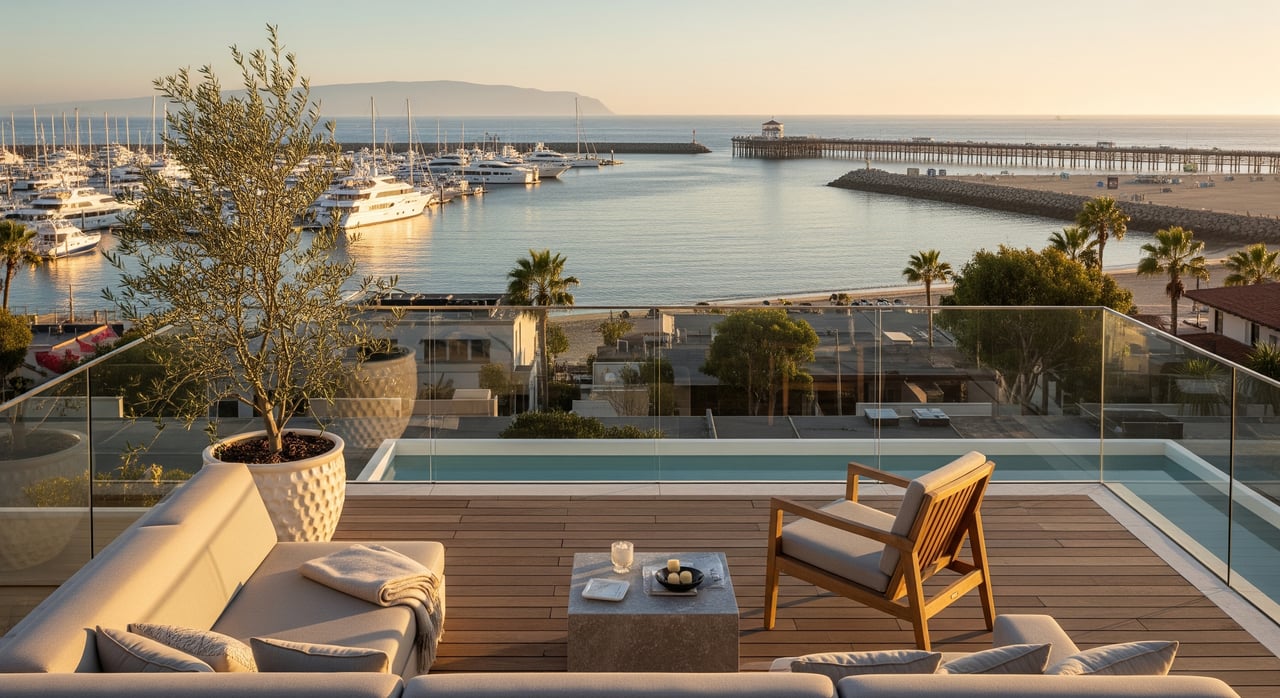
Coastal features like beaches, harbors, or dramatic cliffs often enhance perceived value compared to a faint waterline. West-facing outlooks can be popular for sunsets, though appraisers still need market support.

Obstructions and seasonality

Neighboring structures, vegetation, and the marine layer can limit or change the experience. Seasonal fog or morning cloud cover can reduce how often you enjoy the view, which can affect the market response.

“View capture” inside and out

Homes that frame and celebrate the view tend to benefit more. Large windows, elevated floors, decks, terraces, and glass railings increase usability and appeal. Appraisers note these features when reconciling value.

West Palos Verdes and Peninsula factors

Scarcity and topography

The Peninsula’s varied elevation and bluff edges limit the number of homes with wide, unobstructed ocean sightlines. In sought-after pockets of West Palos Verdes, this scarcity can be a major driver when buyer demand is strong.

Micro-markets matter

Palos Verdes includes distinct micro-markets like Palos Verdes Estates, Rancho Palos Verdes, and Rolling Hills Estates. Each area has different elevation profiles, inventory of view homes, and buyer pools. Appraisers aim to select comparable sales from the most relevant micro-market.

Risk factors that temper value

Certain coastal pockets face bluff erosion or a history of slope movement. Wildfire exposure is a broader regional consideration. These factors can affect marketability, insurance, and financing. Appraisers must account for them when they are material to value.

View permanence and local norms

In California there is generally no automatic legal right to a view. Unless there is a recorded easement or covenant, a neighbor’s future improvements could affect visibility. In Palos Verdes, that makes due diligence on view protections and local height rules important for buyers and sellers.

How appraisers quantify ocean views

Sales comparison is the anchor

Appraisers look for closed sales that mirror your home’s view quality, location, and condition. They make adjustments for differences to align the comps with the subject.

Paired-sales analysis when possible

If two very similar homes sold and the key difference was the view, appraisers can estimate a market-supported view adjustment. Multiple paired sales provide stronger support.

Contributory value and percentage adjustments

When direct pairs are limited, appraisers may use a market-derived percentage to represent the view’s contribution. The adjustment must be supported by local evidence and not based on generic rules of thumb.

Selecting comps in view markets

Comps should match on view type and where the view is experienced. A primary ocean view from the living room is not the same as a view from a side deck. Direction, obstructions, and elevation also matter. Timeframe matters too, since buyer demand shifts.

When comps are scarce

In unique view segments, appraisers may expand the search to similar coastal micro-markets, but they have to explain why those areas are relevant. They may also reference broker price opinions, active listings, and historical patterns as supplementary context. Strong documentation is essential.

Tips to maximize your view’s appraised value (sellers)

  • Lead with visuals. Capture high-quality photos at different times of day, including a clear day and a sunset. If appropriate, add a drone shot to show sightlines.
  • Show where the view lives. Include floor plans that highlight rooms with the view. Stage seating to face the outlook and keep windows spotless.
  • Improve view capture. If feasible, consider enhancements like larger windows, glass railings, or refreshed decking that safely maximize visibility.
  • Create a focused comp packet. Gather recent closed sales with similar view quality in the same micro-market. Include photos of the subject and comps, plus concise notes about view differences.
  • Be transparent. Disclose known easements, coastal conditions, or upcoming projects that could affect the view or marketability. Clear disclosure builds trust and prevents surprises late in escrow.
  • Time your appraisal visit. If you can, schedule when visibility is strong. While appraisers remain objective, a clear demonstration of the view helps support accurate reporting and photos.

Due diligence for buyers chasing a view

  • Confirm permanence. Check for recorded view easements, neighborhood height limits, and recent permitting activity. Without protections, a neighbor may be able to build and change the line of sight.
  • Visit at different times. See the property in the morning and late afternoon. Visit on a typical marine layer day to gauge how often the view might be obscured.
  • Understand micro-markets. A west-facing bluff view in one part of the Peninsula may command a different premium than a distant horizon in another. Review recent local sales with your agent.
  • Budget for ownership realities. Salt air can increase maintenance. Insurance and hazard considerations may also affect carrying costs and financing.
  • Plan for appraisal outcomes. If you’re paying above supportable comps for a rare view, discuss options in advance, such as seller credits, renegotiation, or covering an appraisal gap.

If the appraisal misses the view premium

  • Ask for a reconsideration of value. Provide a concise package of stronger comps, paired-sales examples, and photos showing comparable view quality.
  • Clarify what the appraiser may have missed. For example, if the view is from primary living areas or includes coastline features, make sure that detail is documented with photos.
  • Explore a second appraisal. If the lender allows it and the first report lacks support, a new opinion with better comps can help.
  • Adjust terms as needed. If a higher value is not supportable, consider a price adjustment, seller credit, or bridging the gap with additional down payment.

Quick checklist

  • Identify your view type: panoramic, primary interior, or partial/distant.
  • Document where the view is experienced: main rooms vs. secondary spaces.
  • Capture clear, time-of-day photos and a floor plan with view callouts.
  • Assemble recent local comps that closely match view quality and micro-market.
  • Verify any view protections or future risks: easements, height limits, hazard zones.
  • Plan for appraisal variability: have negotiation and financing options ready.

FAQs

Do ocean views always raise appraised value in Palos Verdes?

  • Not always. Appraisers need local market evidence that buyers pay a premium for that specific view type in that micro-market before adding value.

How big is a typical view premium in West Palos Verdes?

  • There is no standard percentage. The premium varies with view quality, scarcity, and price tier, and should be supported by local paired sales or consistent comp patterns.

Can a neighbor block my ocean view in California?

  • Yes, unless a recorded easement or covenant protects your view. Check records, zoning height limits, and local building history to gauge risk.

What should a seller give the appraiser to support a view premium?

  • A short comp packet with recent closed sales, photos from the same vantage points, notes on view quality, and any broker market commentary.

Will lenders recognize a view premium for financing?

  • Yes, if it’s market-supported and well documented. Lenders expect appraisers to justify adjustments with credible local evidence.

How do seasonal conditions like marine layer affect value?

  • If visibility is frequently reduced, buyers may pay less than for a consistently clear panorama. Appraisers consider how often and where the view is experienced.

Ready to understand your view’s market impact in West Palos Verdes? Get a tailored valuation, comp packet, and strategy from the local experts. Connect with the Steve and Helen Nimeh Real Estate Group for a free home valuation and local market consultation.

Work With Us

Get assistance in determining current property value, crafting a competitive offer, writing and negotiating a contract, and much more. Contact us today.