Leave a Message

Thank you for your message. We will be in touch with you shortly.

Strand vs Walk Streets: Buying In Hermosa Beach

January 8, 2026

Is your Hermosa Beach dream home right on the Strand or tucked along a quiet Walk Street? It is a big choice, and the right fit depends on how you want to live day to day. You want views, access, and long-term value without surprises. This guide breaks down lifestyle trade-offs, parking and access, permitting and coastal risk, and resale considerations so you can move forward with clarity. Let’s dive in.

Quick definitions

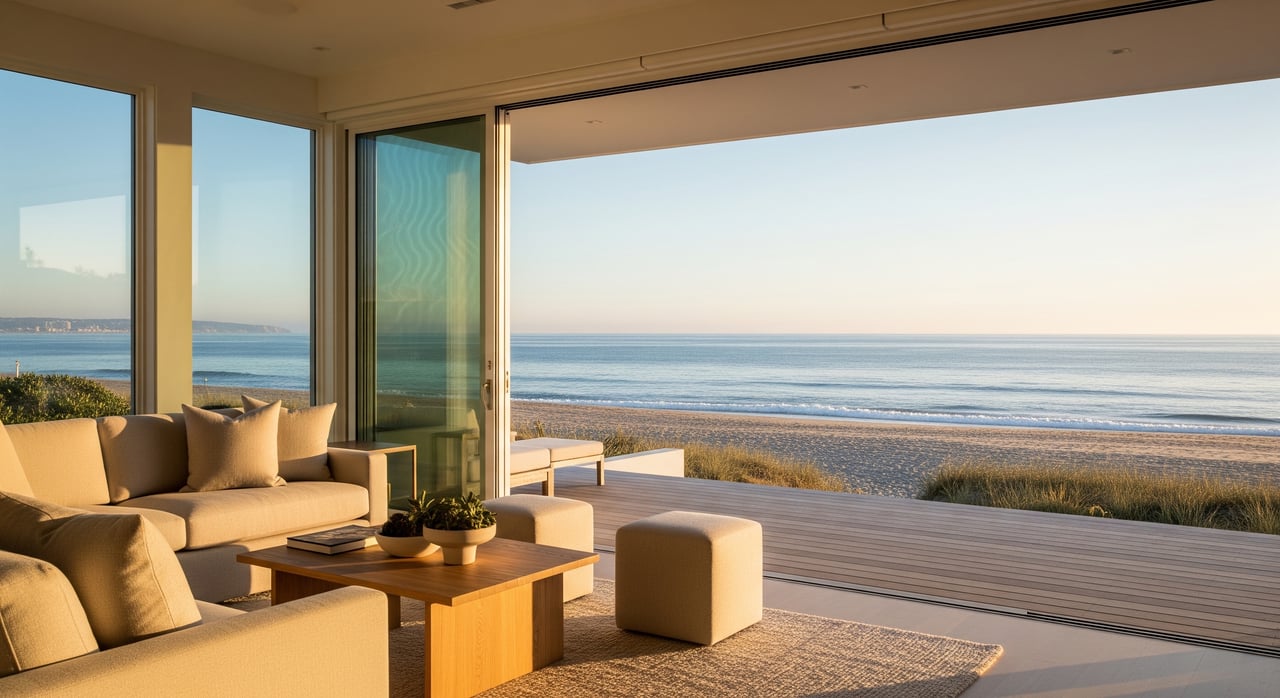
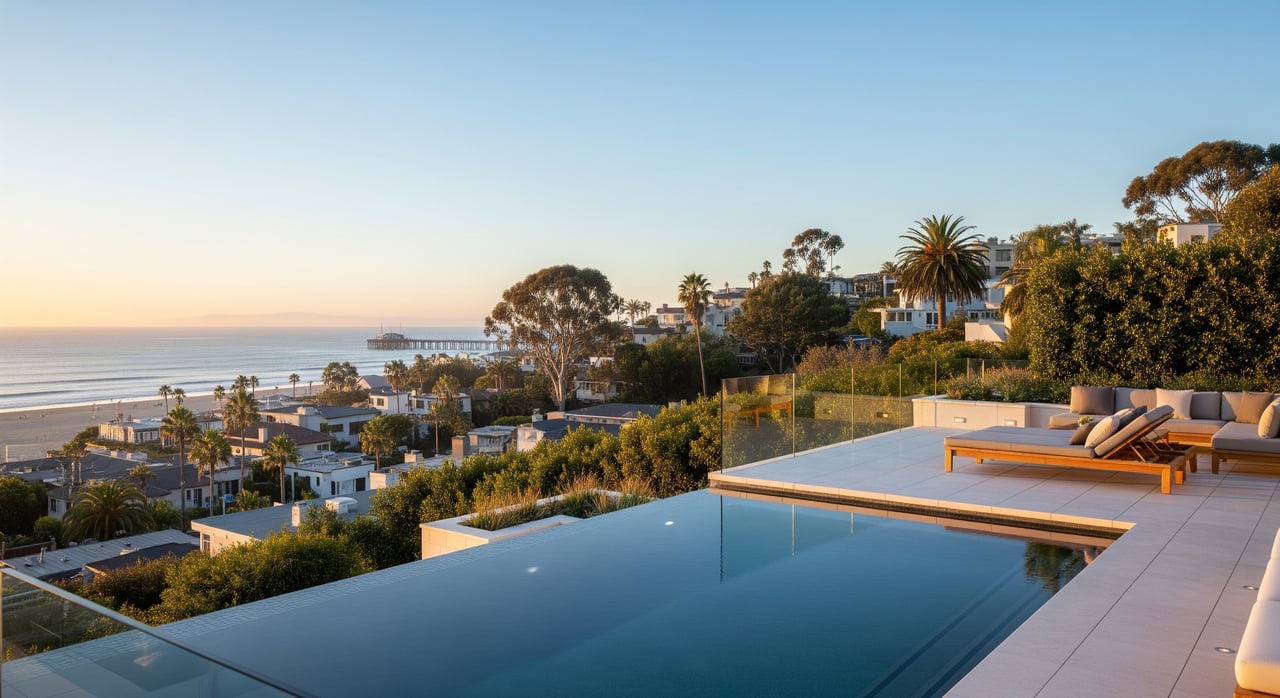
The Strand is the paved public pedestrian and bike path that runs directly along the sand. Strand properties are the first row of homes that front this promenade with unobstructed ocean views and immediate beach access.

Walk Streets are short, pedestrian‑oriented streets that run perpendicular to the beach. Homes line these pathways, and residents enjoy a neighborhood feel while staying a short walk to the sand and Pier area.

Market position and buyer fit

Strand-front homes sit at the top of Hermosa’s market because of their direct ocean frontage, views, and lifestyle. Inventory is limited, and demand is steady among buyers prioritizing the oceanfront experience. Walk Street homes are also highly desirable. They typically price below direct Strand-front properties yet remain among the higher tiers in the South Bay because of proximity to the beach and the residential setting.

Here is how each option often aligns with buyer priorities:

If you are Strand‑oriented

  • You want daily ocean views, the sound of waves, and a front-row seat to beach life.
  • You prefer instant access for surfing, biking, and morning runs.
  • You accept more public activity outside your door in exchange for the oceanfront setting.

If you are Walk Street‑oriented

  • You value a quieter, neighborhood feel without giving up a short walk to the sand.
  • You want more private outdoor space and traditional single-family layouts.
  • You prefer easier everyday logistics like garage access and more feasible parking.

Property types and lot traits

Strand homes

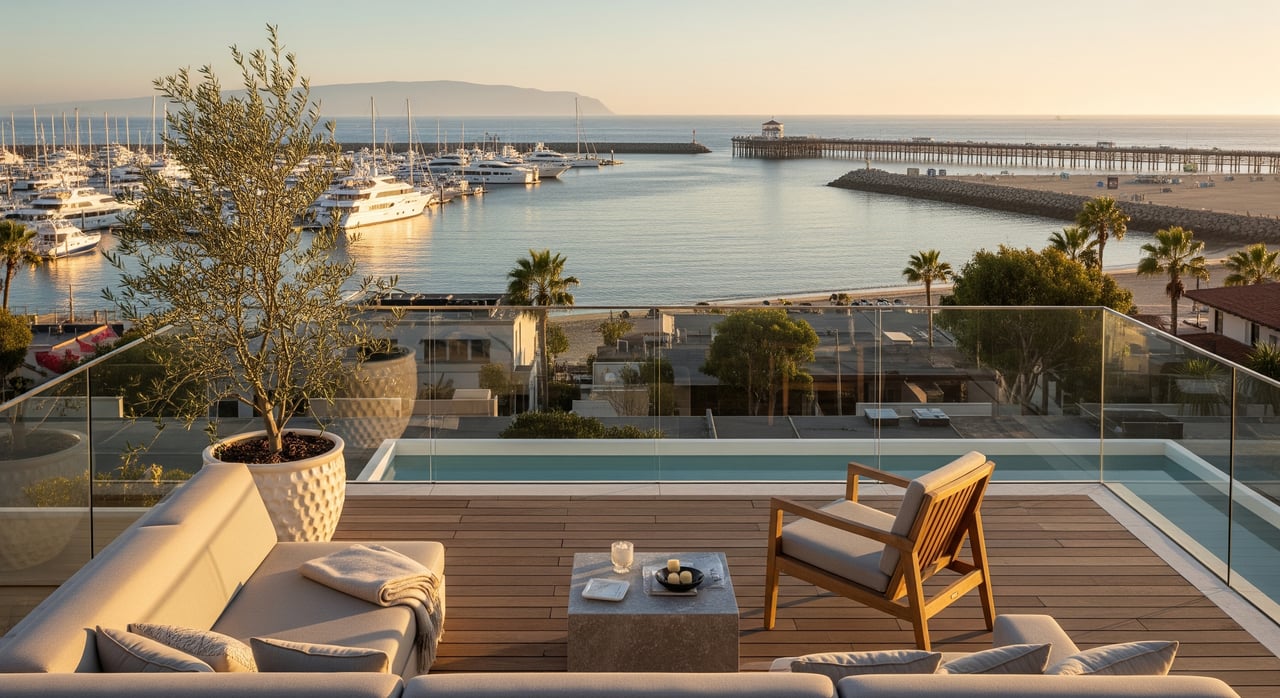
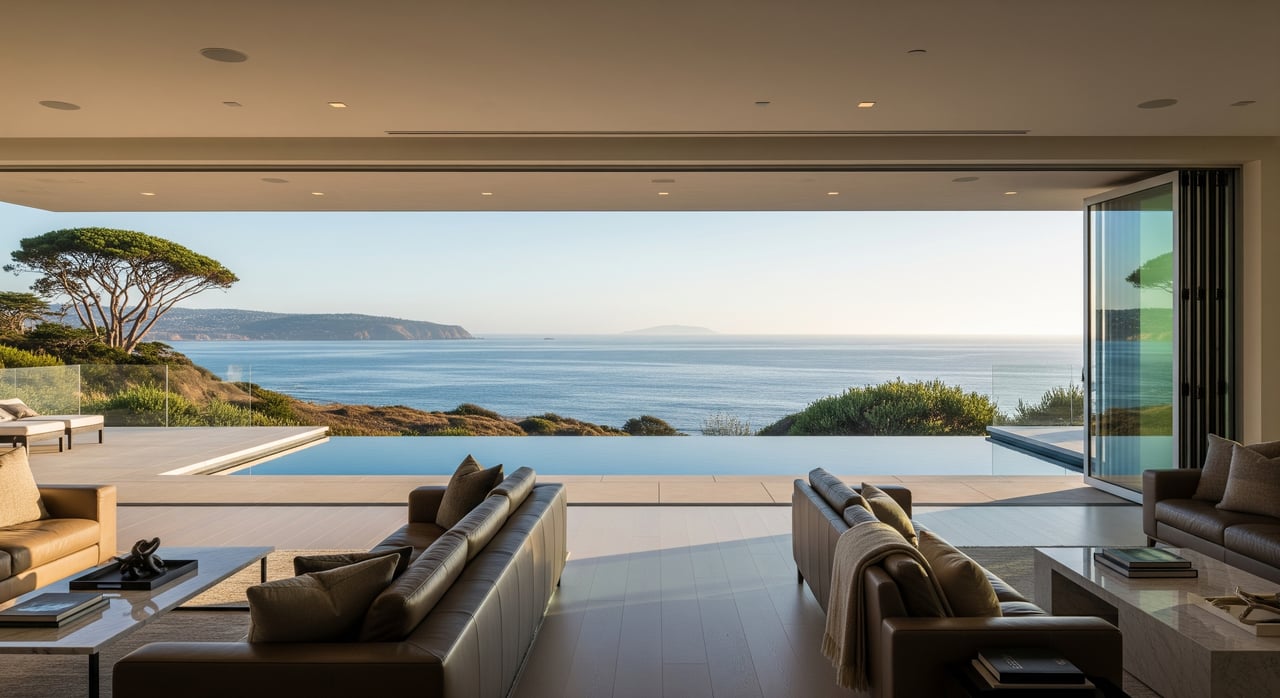
Strand parcels are often narrower with multi‑story homes or stacked townhomes built to maximize views. You will see rooftop decks, expansive glass toward the ocean, and high‑end finishes. Because the promenade is public, private outdoor space is usually oriented to upper levels or the rear of the home rather than a front yard.

Walk Street homes

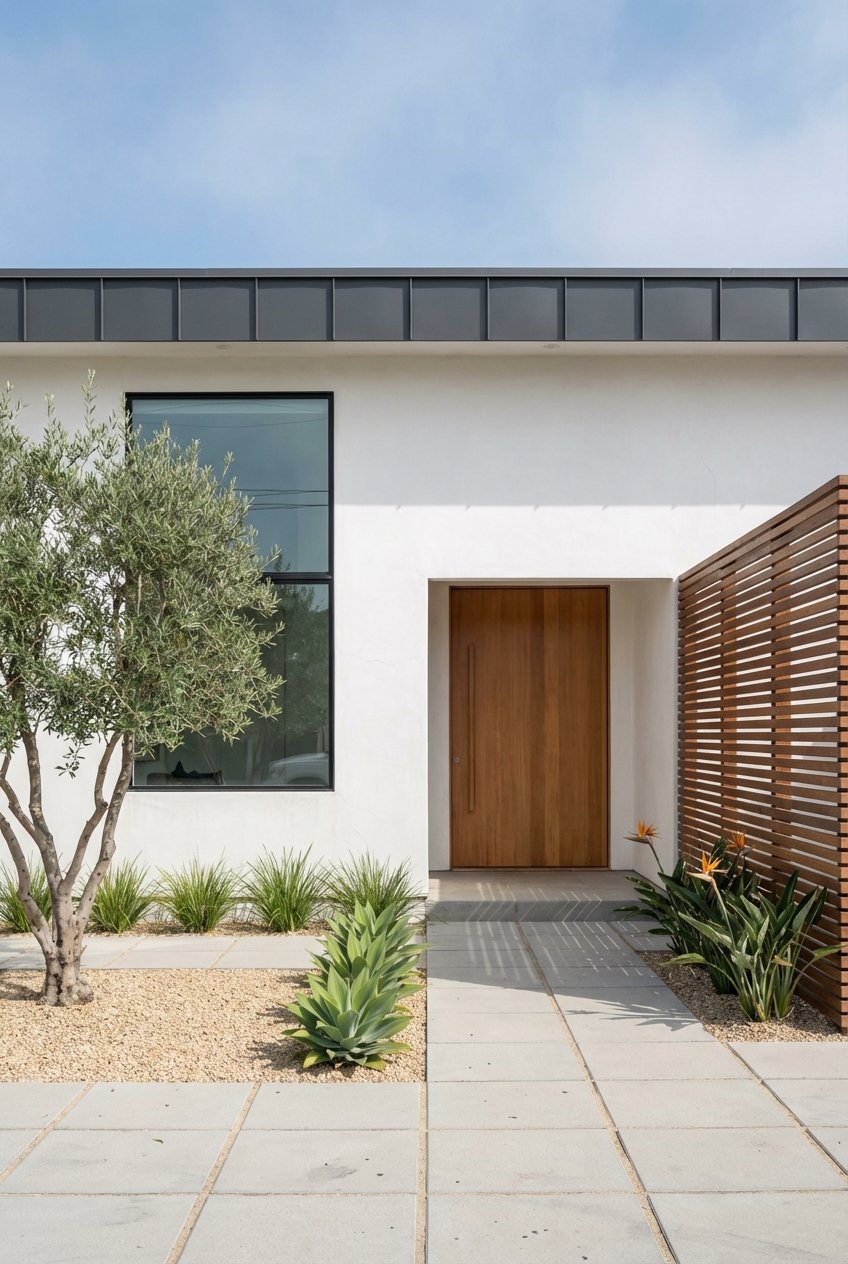
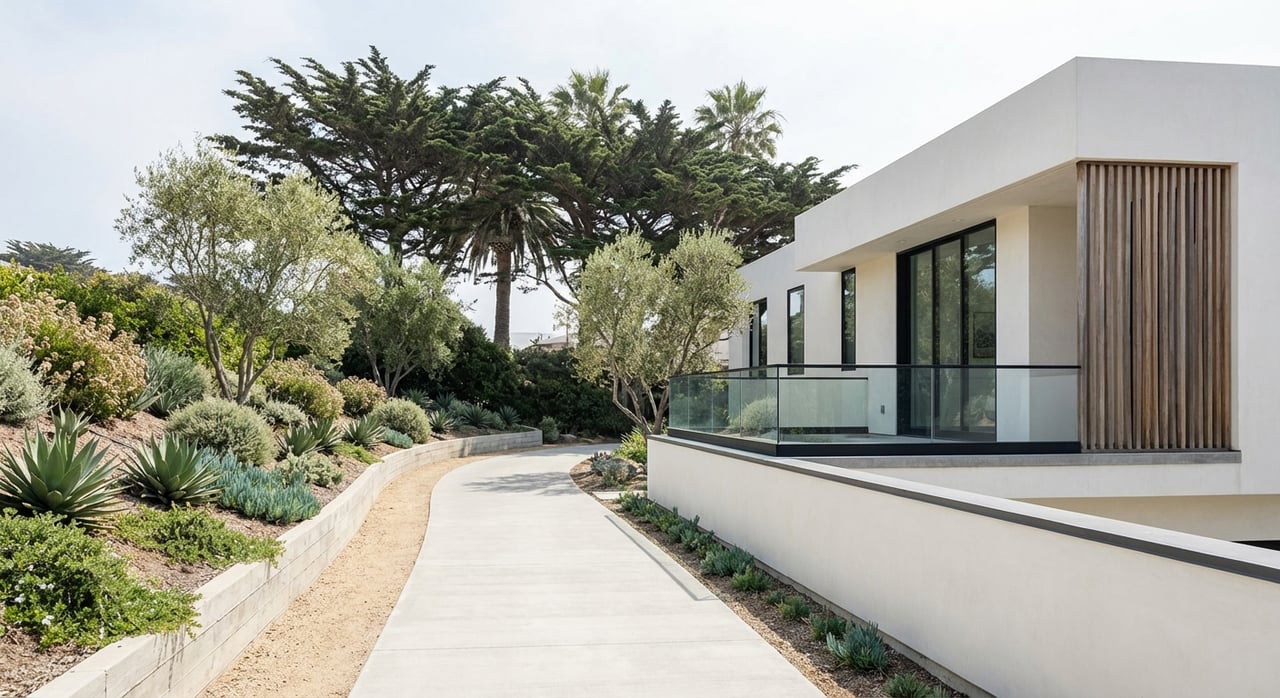
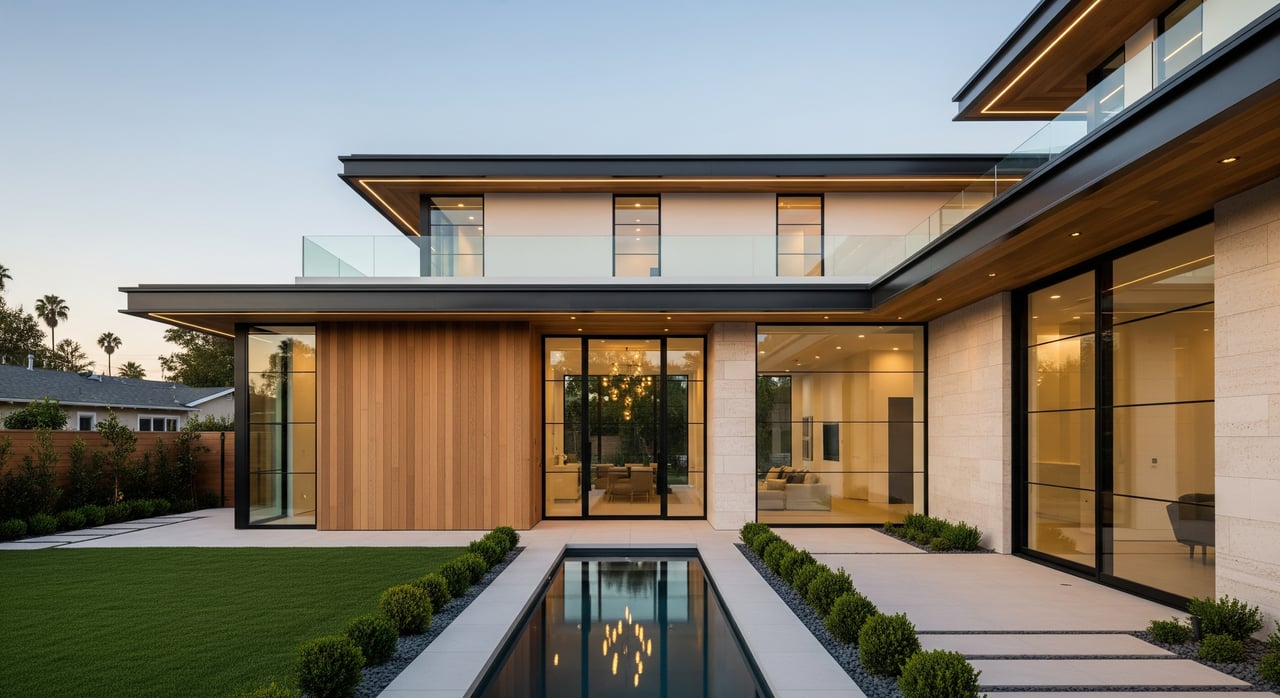
Walk Street properties are predominantly single‑family homes on deeper or wider lots compared with many Strand parcels. Architectural styles range from classic bungalows and cottages to modern infill. Many have private front patios or gardens, with garages typically accessed from alleys or side streets. Daily living can feel more flexible thanks to traditional entries, yard space, and garage setups.

Lifestyle, noise, and privacy

Life on the Strand

Expect a lively scene with joggers, cyclists, beachgoers, and visitors throughout the day. Events and seasonal activity are visible and audible. The convenience for surfing, biking, and sunset walks is unmatched. Privacy on the promenade side can be limited because the Strand is public.

Life on the Walk Streets

Walk Streets have a calmer, residential character. The pedestrian-only design means minimal car traffic on your block. Evenings tend to be quieter while the beach, restaurants, and shops remain a short stroll away. It is a balance of coastal proximity and neighborhood comfort.

Parking, access, and day‑to‑day logistics

Strand logistics

Many Strand-front homes do not have traditional driveways facing the promenade. Vehicle access often comes from the rear or nearby streets, and public parking near the Strand can be limited or regulated. If you host often or have multiple vehicles, confirm exactly how parking works for the specific parcel and block.

Walk Street logistics

Walk Street homes more commonly offer detached garages, driveways, or alley access. On‑street parking norms vary by block, but residential parking is generally more feasible than along the waterfront. If a home’s garage is off an alley, learn the access pattern and any local rules.

Permits, coastal rules, and risk

The beach and Strand are public, and coastal access is protected. Beachfront improvements or significant remodels commonly require coastal permits and may involve review by regional authorities. Inland Walk Street projects are still subject to local planning and building rules, and some may also involve coastal review depending on location and scope.

  • Public access and easements: Some beachfront parcels include public access easements. Verify any recorded easements and how they affect use or future plans.
  • Coastal permitting: Development or major remodels along the Strand typically require coastal permits in addition to city approvals. Expect more scrutiny at the water’s edge.
  • Zoning and design standards: Hermosa Beach applies neighborhood-specific standards, height limits, and setback rules. Check zoning and allowable uses before you plan an addition or ADU.
  • Flood and natural hazards: Oceanfront properties can face higher exposure to coastal hazards like wave run‑up or erosion. Walk Street homes near the beach may also sit in areas influenced by coastal conditions depending on elevation. Review flood maps, obtain an elevation certificate when available, and talk with qualified professionals.
  • Insurance and lending: Lenders may require flood insurance for certain zones, and premiums vary by location and elevation. Work with coastal-experienced lenders and insurance brokers early to understand costs and requirements.
  • Short‑term rentals: Many beach cities regulate short‑term rentals with permits, caps, or prohibitions. Rules and enforcement can change, so verify current Hermosa Beach policies and any HOA rules if rental income is part of your plan.

Resale and investment outlook

Strand listings market exclusivity, views, and lifestyle. They can be resilient over time because there are few true oceanfront homes, although comparable sales are limited and valuations can swing based on unique features and timing. Walk Street homes appeal to a wider pool that values proximity to the beach with more privacy and traditional living. You will find more comparable sales, which can aid pricing and appraisal.

If you are considering rental potential, both product types can attract long‑term tenants. For short‑term rentals, local rules and any HOA limits will shape revenue potential, so confirm the current framework before you underwrite returns.

How to choose quickly

Use this quick test to align your priorities:

  • Choose the Strand if you want immediate beach access, daily ocean views, and you are comfortable with constant public activity and tighter parking logistics.
  • Choose a Walk Street if you want a quieter, residential setting with private outdoor space, garage convenience, and a short walk to the sand.

Buyer due‑diligence checklist

Use these items to vet any Hermosa Beach home, especially in 90254:

  • Location clarity: Confirm whether the property fronts the Strand, sits one row back, or lies on a Walk Street. Note the exact walk time to the beach.
  • Zoning and uses: Review municipal zoning, height limits, setbacks, ADU rules, and any neighborhood design standards that could affect renovations.
  • Coastal permits and easements: Identify any recorded public access easements. Determine whether planned work will trigger coastal permitting.
  • Flood and hazards: Check flood zone status, obtain an elevation certificate if available, and review local coastal hazard information. Consider a coastal engineering or geotechnical opinion for beachfront parcels.
  • Insurance and lending: Price flood insurance and confirm lender requirements early, especially on oceanfront homes.
  • Parking and access: Verify garage location, alley access, on‑street parking rules, and any residential permits.
  • HOA or shared elements: Confirm any HOA, shared walls, or agreements that affect use of the walkway or beachfront areas.
  • Comparable sales: Pull Strand‑specific comps for oceanfront and Walk Street‑specific comps for interior pedestrian streets. Do not mix these sets when evaluating value.
  • Rental rules: If you plan to rent, confirm the current short‑term rental ordinance and any HOA restrictions.
  • Structural and shoreline: For beachfront, evaluate any seawalls, retaining walls, and foundations near the exposure zone as part of inspections.

Seller preparation checklist

If you are listing a Strand or Walk Street home, set the stage for a smooth sale:

  • Marketing focus: For Strand, highlight views, beach access, and rooftop decks. For Walk Streets, spotlight private outdoor space, interior flow, and neighborhood feel.
  • Practical details: Show exactly where to park, how to access the home, and the number of steps to the sand. Map any deeded or shared access points.
  • Full disclosures: Provide permit histories, coastal permits, seawall or retaining wall work, and any known hazard or STR compliance information.
  • Visual storytelling: Use aerials and wide panoramas for Strand homes. For Walk Street homes, emphasize patios, yards, and indoor‑outdoor flow.

What this means for your search in 90254

Both choices deliver coveted beach living, just in different ways. The Strand gives you front‑row ocean access and energy outside your door. The Walk Streets trade direct frontage for privacy, yard space, and familiar single‑family layouts. Your best choice is the one that aligns with how you want to live, park, host, and plan for future improvements.

Ready to compare homes side by side?

You deserve guidance from a team that knows the nuances of Hermosa’s Strand blocks and each Walk Street from Pier Avenue to the north and south ends. If you want a clear, data‑minded plan for touring, comps, permitting paths, and insurance considerations, reach out to the Steve and Helen Nimeh Real Estate Group. We will help you narrow the options quickly and confidently.

FAQs

What is the main difference between Strand and Walk Street homes?

  • Strand homes front the public promenade with direct ocean views and access, while Walk Street homes sit on pedestrian streets just inland that offer a quieter residential setting.

How noisy is living on the Strand in Hermosa Beach?

  • Expect steady pedestrian and bike traffic plus seasonal events near the beach, which brings more activity and sound compared with interior Walk Streets.

Do Walk Street homes near the beach have ocean views?

  • Some do from upper levels or rooftop decks, while others do not. Sightlines and view corridors vary by block and elevation.

Is parking easier on Walk Streets than on the Strand?

  • Generally yes. Walk Street homes often have garages or alley access, while many Strand homes have tighter parking and rely on rear access or nearby street parking.

Do beachfront renovations require special permits in Hermosa Beach?

  • Significant beachfront work often involves coastal permits in addition to city approvals, and some parcels include public access easements that must be honored.

Work With Us

Get assistance in determining current property value, crafting a competitive offer, writing and negotiating a contract, and much more. Contact us today.