Are you wondering why two homes in Manhattan Beach can feel similar yet list at very different prices? You are not alone. Micro-markets inside the city shape value in real ways, from lot size and views to insurance and construction costs. In this guide, you will see how the Sand, Tree and Hill sections compare so you can narrow your search, set realistic expectations and negotiate with confidence. Let’s dive in.
What the three sections mean
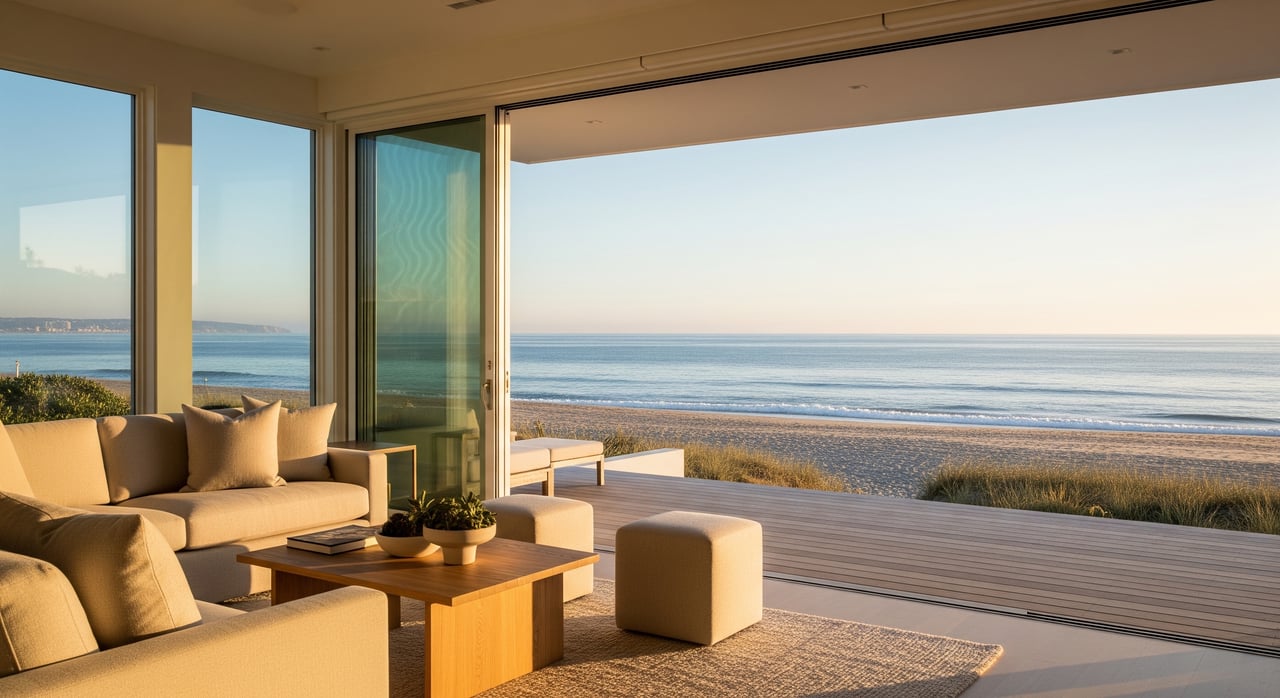
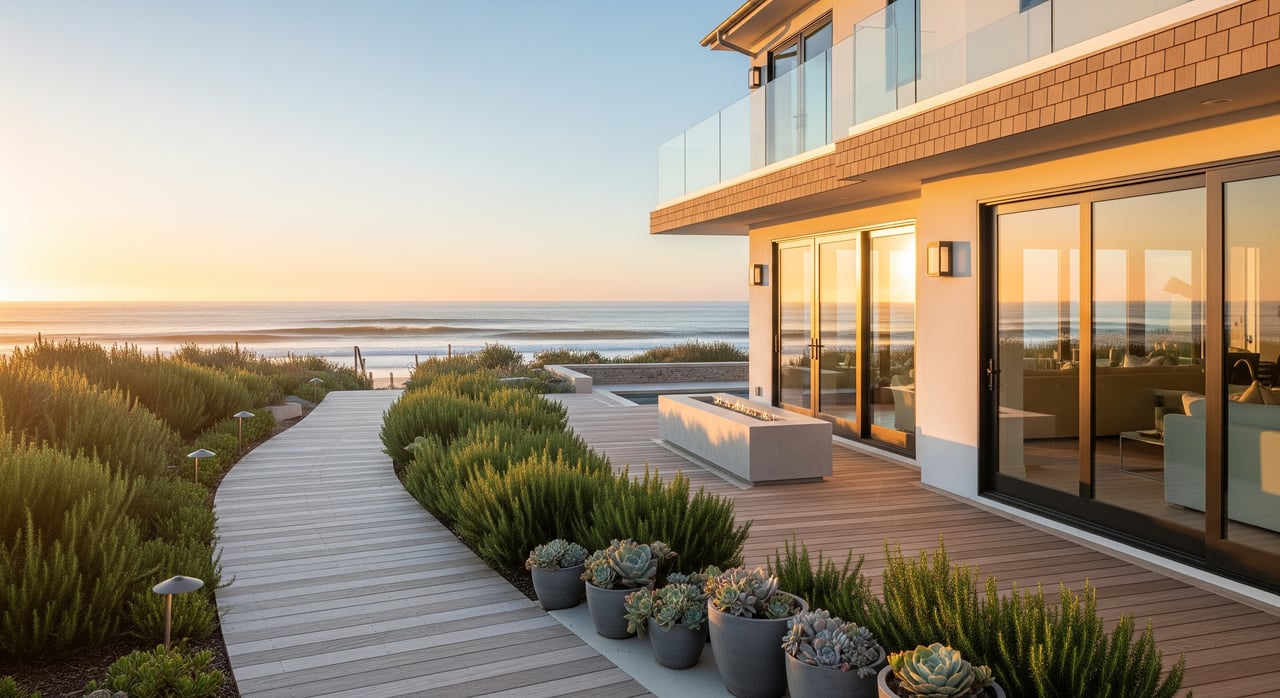
The Sand Section sits closest to the ocean. It includes the Strand and the blocks just inland, where you have direct beach access, strong walkability and the highest demand for views and lifestyle.
The Tree Section is the central, tree-lined neighborhood between the beachfront blocks and the valley floor. Lots are more regular and level, with a traditional single-family feel and convenient access to schools, parks and downtown shops.
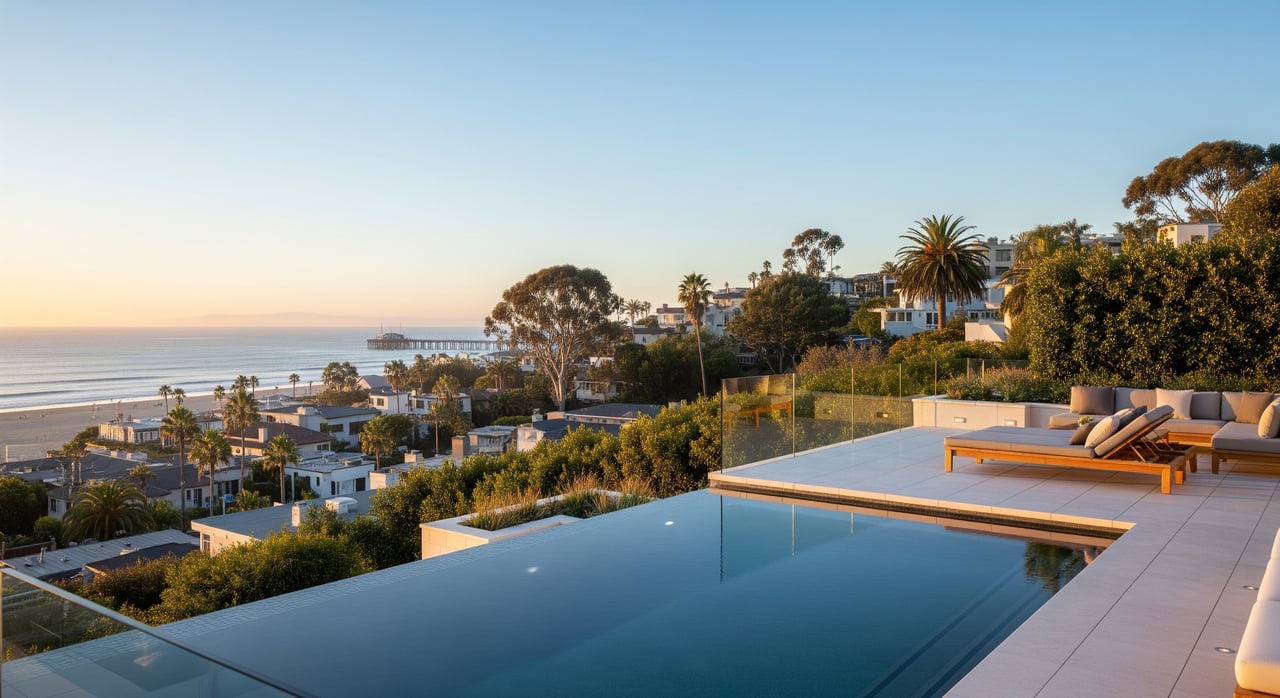
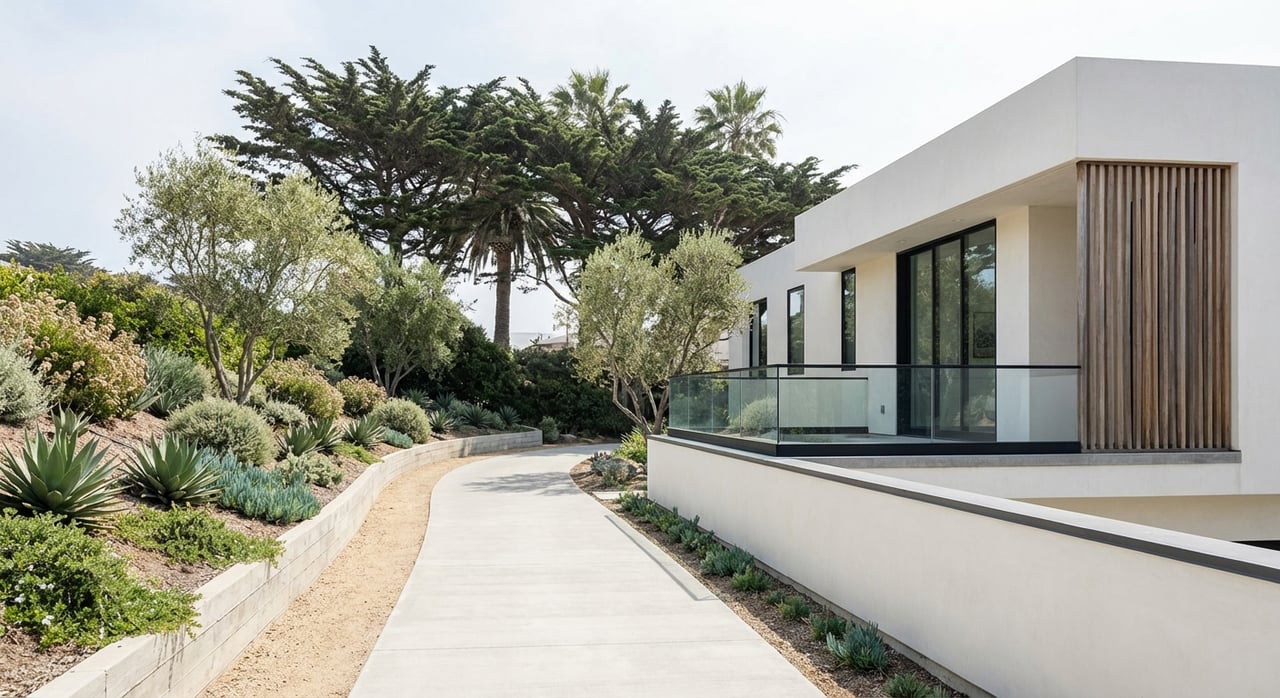
The Hill Section rises on higher ground east of the valley. Many streets are steeper and homes are positioned to capture sweeping city or ocean views. Lots and interior square footage tend to be larger here.
Quick comparison at a glance
- Pricing tendency:
- Sand: Highest price intensity per square foot due to proximity and views.
- Tree: Balanced pricing with larger, flatter lots than Sand.
- Hill: Large homes and view potential, often a different PPSF profile than beachfront.
- Typical lots:
- Sand: Smaller, narrow and deep lots with vertical builds.
- Tree: More regular, flat lots with usable backyards.
- Hill: Larger parcels, some terraced sites on slopes.
- Home styles:
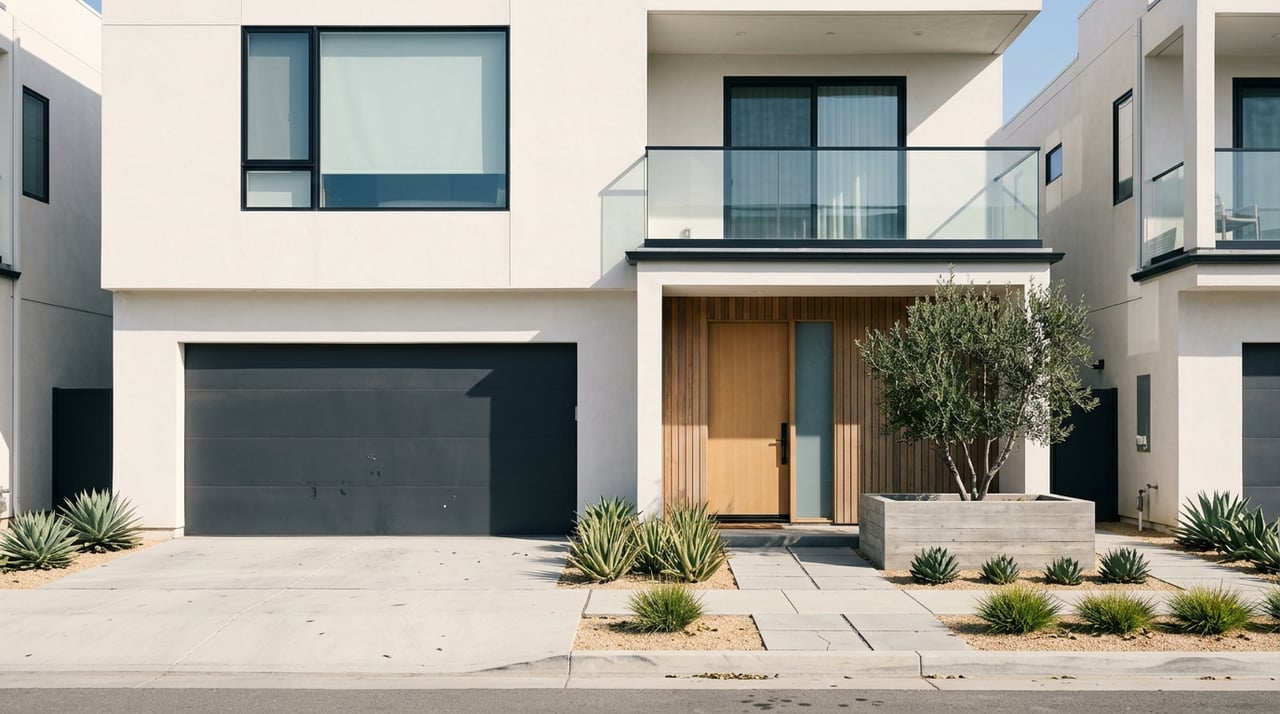
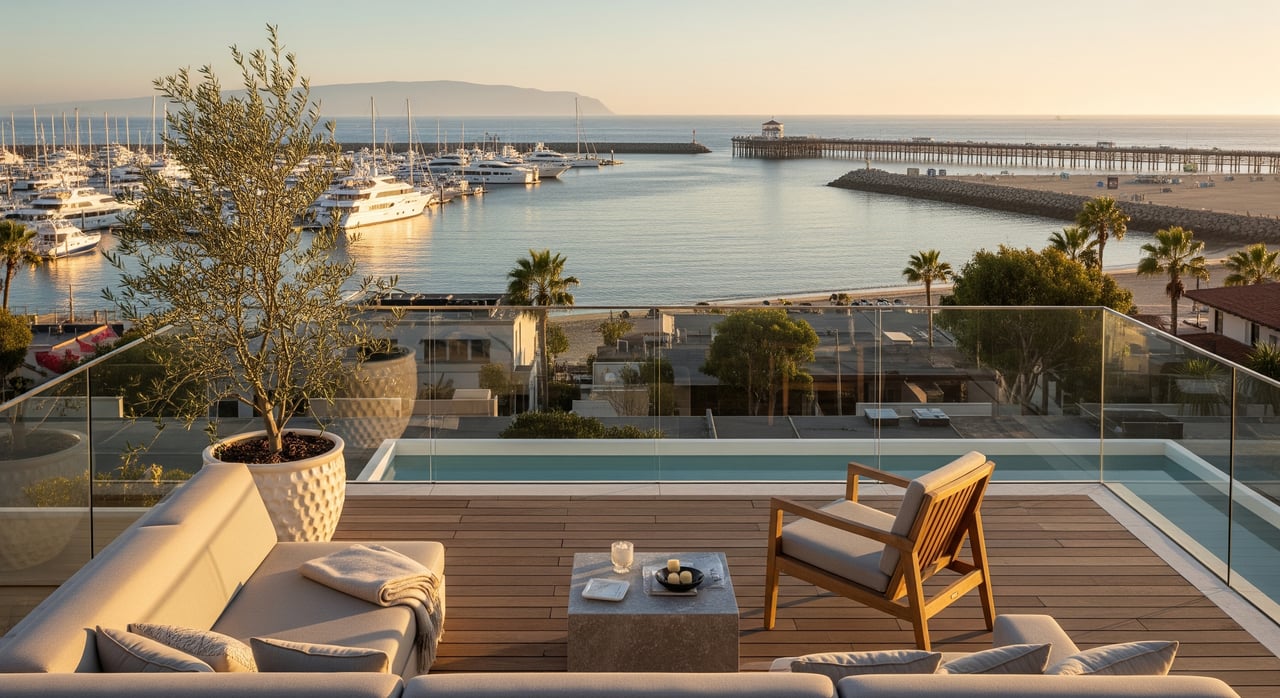
- Sand: Multi-level moderns, rooftop decks, glass to the view.
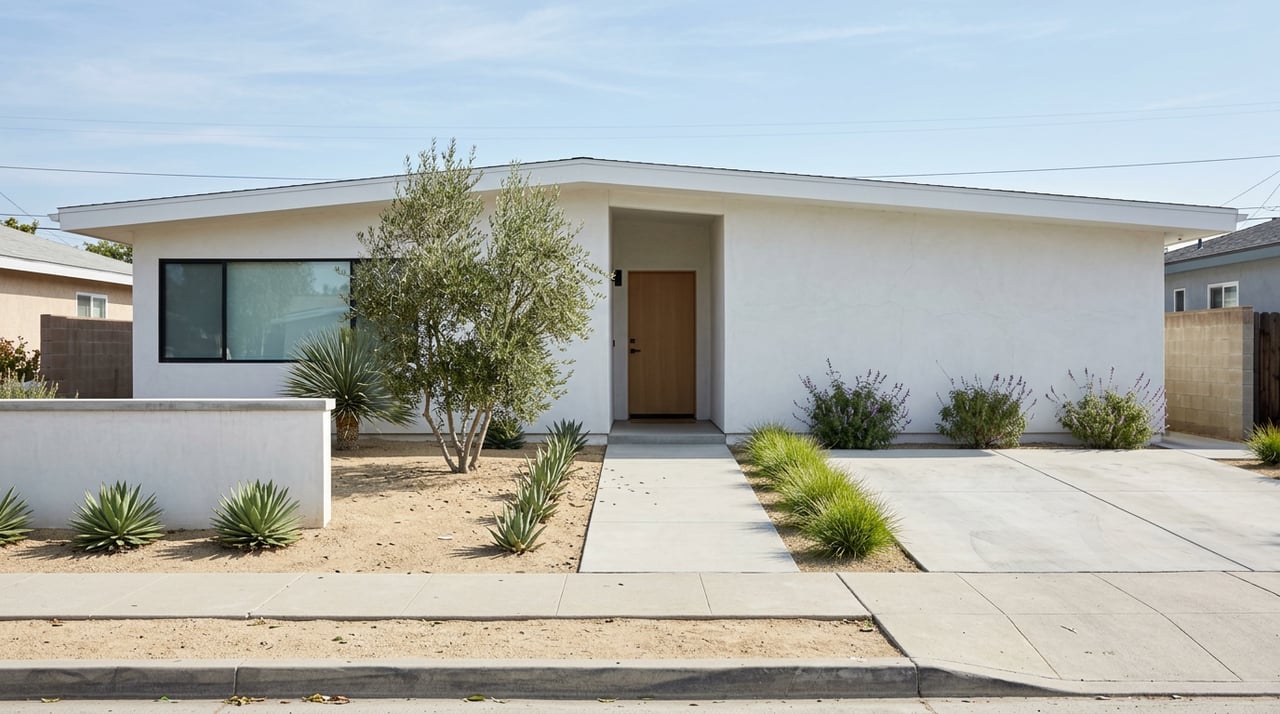
- Tree: Mix of single-story ranch, mid-century, and newer two-story rebuilds.
- Hill: Large custom and contemporary homes designed for views.
- Lifestyle trade-offs:
- Sand: Ultimate beach access, less yard space, more maintenance exposure.
- Tree: Neighborhood feel and backyard living, fewer panoramic views.
- Hill: Space and privacy with views, more driving and hillside considerations.
Sand Section: Life by the beach
What you will see when touring
- Tall, multi-level homes built to maximize ocean views.
- Narrow, deep lots with limited backyard areas.
- High-end coastal finishes and corrosion-resistant materials.
Lifestyle and trade-offs
- You enjoy the shortest walks to the Strand, piers and downtown.
- You trade yard space and privacy for location and views.
- You plan for more frequent maintenance due to salt air and wind exposure.
Pricing patterns and premiums
- Buyers often pay a premium for direct ocean views and immediate proximity to the sand.
- Price per square foot can be far higher than inland homes because of location scarcity.
- Smaller homes with exceptional views can carry higher PPSF than larger inland homes with lower PPSF but higher total price.
Risks, insurance and permitting
- Beachfront properties may fall within coastal flood zones and face higher insurance premiums.
- Coastal permitting can add steps for major remodels or rebuilds.
- Expect ongoing attention to corrosion and storm resilience.
Tree Section: Neighborhood living and space
What you will see when touring
- A mix of original mid-century homes, remodeled classics and newer builds.
- Level, rectangular lots that support backyard living.
- Streets with mature trees and a calm neighborhood feel.
Lifestyle and trade-offs
- You get a balanced location with access to parks, shopping and school corridors.
- You typically sacrifice panoramic views compared with the Hill Section.
- Some blocks see periodic teardown and construction activity as older homes give way to new builds.
Pricing patterns and value
- Pricing reflects larger lots and family-friendly footprints without paying a beachfront premium.
- PPSF is usually lower than the Sand Section, but total purchase prices vary by lot size and condition.
- Renovations and expansions are often more straightforward on flat lots.
Practical considerations
- Verify school attendance boundaries directly with the Manhattan Beach Unified School District.
- Compare remodel potential across streets, since zoning and setbacks can differ.
- Expect competitive interest for move-in-ready homes with yard space.
Hill Section: Views, privacy and scale
What you will see when touring
- Large custom and modern homes with significant glass and terraces.
- Multi-level designs sited to capture ocean, city or harbor views.
- Larger garages and driveways, with some terraced or stepped lots.
Lifestyle and trade-offs
- You enjoy more interior square footage, privacy and impressive vistas.
- You accept steeper streets and a longer walk or drive to downtown and the beach.
- Hillside construction or remodels can require specialized engineering.
Pricing patterns and view premium
- Many buyers prioritize total square footage and view corridors here.
- PPSF can differ from beachfront norms, while total prices reflect size, finish level and views.
- Panoramic views can command a significant premium compared with nearby homes without them.
Building and maintenance notes
- Sloped sites may need engineered retaining walls and foundations.
- Plan for thoughtful landscape and drainage design.
- Larger footprints may increase carrying costs even if PPSF compares favorably.
How pricing really works across sections
- Price per square foot is useful, but it can be misleading across very different lots and locations. Always pair PPSF with total price, lot size and living area.
- View and distance premiums are real. Similar homes can sell for different amounts based on a direct ocean view, a partial view or no view, and on how close they sit to the beach.
- Inventory and days on market vary by micro-market. Low inventory near the Strand can push prices higher and reduce negotiation room, while larger inland inventory may offer more options.
How to get current numbers
Use the most recent 6 to 12 months of closed single-family sales from the local MLS to compare:
- PPSF: Sale price divided by above-grade living area, applied consistently.
- Median sale price and interquartile range: Shows the middle and typical spread.
- Lot sizes: Median lot area and common lot shapes for each section.
- DOM and months of inventory: Measures market speed and negotiation leverage.
- View and distance premiums: Compare similar comps that differ in view or closeness to the beach.
How we calculate PPSF
- Use closed sales, not active listings.
- Exclude garages and below-grade areas for consistency.
- Note the sample size. A handful of beachfront sales can swing medians.
Which section fits your goals
- If you want the pure beach lifestyle: Focus on the Sand Section and weigh higher maintenance costs and vertical living against unmatched access and views.
- If you want a yard and a neighborhood feel: Explore the Tree Section for level lots, backyard space and a central location.
- If you want space, privacy and views: Look in the Hill Section for larger custom homes and sweeping vistas, while planning for hillside design and drive times.
Ready to compare homes the smart way
If you are weighing Sand vs Tree vs Hill, you do not have to decode it alone. We pair neighborhood-level insight with up-to-the-minute sales data to help you compare apples to apples, understand premiums and choose the right block for your lifestyle. For a data-backed tour plan and a custom pricing brief, reach out to the Steve and Helen Nimeh Real Estate Group.
FAQs
Which Manhattan Beach section usually has the highest PPSF?
- The Sand Section typically records the highest price per square foot because buyers pay premiums for direct beach access, proximity and ocean views.
Where do you usually get the most interior space for the price?
- Many buyers find larger interior square footage and lot sizes in the Hill Section, while Tree Section homes often balance size and central location.
How much extra does beachfront proximity add to price?
- Direct ocean views and immediate beach access can produce a significant premium versus similar homes without those features, but the exact premium depends on recent comps.
Are insurance and maintenance costs different by section?
- Yes, beachfront homes often face higher insurance premiums and more maintenance due to salt air and wind, while hillside homes may have engineering and drainage considerations.
What remodeling constraints should I expect in each section?
- Coastal properties may require additional permits and design steps, while hillside sites can need engineered foundations; flat Tree Section lots often allow more straightforward expansions.
Is the Tree Section better for buyers who value schools and parks?
- Many buyers who prioritize backyard living and central access consider the Tree Section, and you should verify school boundaries directly with the Manhattan Beach Unified School District.