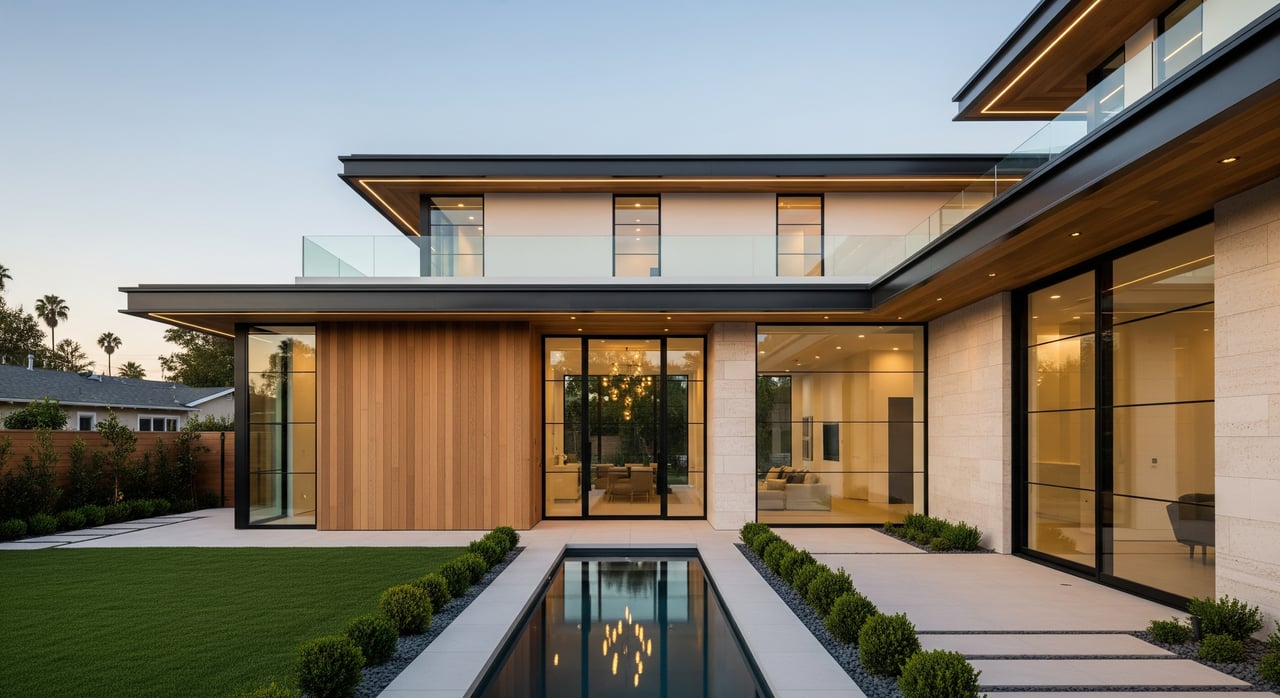
New Construction vs Resale In Hawthorne: Trade-Offs
January 1, 2026
January 1, 2026
Should you go for a shiny new build or a character-filled Hawthorne classic? It is a big decision, especially when you factor in costs, timelines, codes, and the day-to-day experience of living in each type of home. You want a place that fits your lifestyle and financial plan without surprises after you move in. In this guide, you will learn the key trade-offs between new construction and resale homes in Hawthorne so you can make a confident choice. Let’s dive in.
Hawthorne sits in the South Bay with a mix of mid-20th-century single-family homes and newer infill development. Its location near LAX, El Segundo, Inglewood, and major employers influences demand and pricing. Block-by-block differences in lot sizes and zoning can shape value and inventory.
Across Los Angeles County, recent years saw strong demand that cooled from peak conditions. Interest rates, seasonal patterns, and limited supply continue to affect how quickly homes sell. Because conditions shift, confirm the latest local figures before you write an offer or list a property.
New construction often carries a premium per square foot because of modern systems, code compliance, and builder profit. Some builders offset the sticker price with incentives like closing-cost help, rate buydowns, or upgrade packages. These can meaningfully reduce your cash to close.
Resale pricing varies by lot size, condition, and location within Hawthorne. Many older homes may have a lower entry price but need immediate investment in roofs, HVAC, plumbing, electrical, or termite repairs. Budget for those items as part of your total cost.
Consider the full cost of ownership:
Resale homes in Hawthorne tend to sit in established neighborhoods with mature landscaping and individual yards. You may find more space between homes and a familiar residential feel.
New infill projects often maximize unit count, sometimes with smaller lots, attached layouts, or planned communities. You might gain shared amenities and a consistent look, often with an HOA that manages common areas.
With new construction, builders typically provide limited warranties. A common pattern is one year for workmanship and longer coverage for structural items. Even so, you should still hire a third-party inspector to create a thorough punch list before move-in and during the warranty period.
Resale homes come with no builder warranty. Your protection is your due diligence: inspections, seller disclosures, and negotiating repairs or credits. Older homes can hide issues that do not show up on a single visit, so plan for targeted inspections.
New homes in Hawthorne must meet California’s Title 24 standards, which raise the bar for insulation, windows, HVAC, and lighting. The state also requires solar photovoltaic systems on most new single-family homes and low-rise multifamily built under the 2020 code and later. These features can lower energy use and stabilize monthly bills.
Resale homes may not meet current energy standards unless retrofitted. If efficiency matters to you, ask for recent upgrades, energy reports, or utility averages. Simple improvements like insulation and air sealing can make a big difference over time.
If you purchase a completed new home, you can use a standard mortgage. For homes still under construction, timing can be less predictable. Builders may propose a preferred lender or offer rate incentives, which you can compare to independent lenders. Longer build timelines and rate-lock windows can affect your financing plan.
Resale financing is straightforward. Conventional, FHA, and VA loans are common, and most transactions close in 30 to 45 days depending on contingencies and appraisal.
New home pricing is often tied to builder strategy. In a strong market, discounts can be limited, while slower periods may bring concessions like upgrades or closing-cost credits. Appraisals can be complex when there are few comparable sales, especially in fresh subdivisions.
Resale pricing hinges on recent neighborhood comps and property condition. Negotiation tends to center on price and inspection items. A well-maintained home in an established Hawthorne area can hold value, especially when lot size or location offers long-term appeal.
In California, property taxes are based on assessed value, and new construction can trigger reassessment for the improvements. Proposition 13 limits annual increases, but your initial basis matters. Ask for estimates before you commit so you understand your monthly payments.
Many new developments include HOAs with monthly dues, rules, and possible special assessments. Review budgets, reserves, and any planned projects. Some resale homes are also in HOAs, so you will want to understand those obligations as well.
Southern California has seismic risk. New construction must meet current seismic codes. Many older homes predate today’s standards and may need retrofits like foundation bolting or cripple wall bracing. Earthquake insurance is available but can be costly.
Hawthorne is not in a high-severity wildfire zone, but localized flood and drainage issues can exist, and some areas sit under airport noise contours because of LAX. Request disclosures and verify maps and local plans as part of your due diligence.
Use this quick checklist to compare options side by side:
For any home:
For new construction:
For resale:
New construction:
Resale:
If you own a property in Hawthorne, you might wonder whether to sell as-is or pursue a rebuild. Selling as-is gets you to market quickly, avoiding construction risk and carrying costs. Your final price will reflect lot value and current condition, and lots with development potential may attract investors.
Rebuilding can capture a higher price per square foot when the finished product aligns with local demand. It also requires capital, permits, and the right timing. A simple pro forma that includes construction, financing, taxes, and a realistic sale price can show whether the upside outweighs the risk.
Pick new construction if you want:
Pick a resale home if you value:
If you are unsure, preview both types. Walk an active infill project and tour a few well-kept older homes in different pockets of Hawthorne. Compare how they feel, not just how they pencil. A quick side-by-side of monthly cost, commute time, yard space, and any near-term repairs usually reveals a clear winner for your lifestyle.
When you are ready to narrow your options, a local plan and current data make the difference. The right guidance helps you avoid surprises and choose with confidence.
Ready to compare a specific new build and a resale on your short list, line by line? Reach out to the Steve and Helen Nimeh Real Estate Group for a friendly, no-pressure consult and a custom side-by-side that fits your goals.
Stay up to date on the latest real estate trends.






Get assistance in determining current property value, crafting a competitive offer, writing and negotiating a contract, and much more. Contact us today.