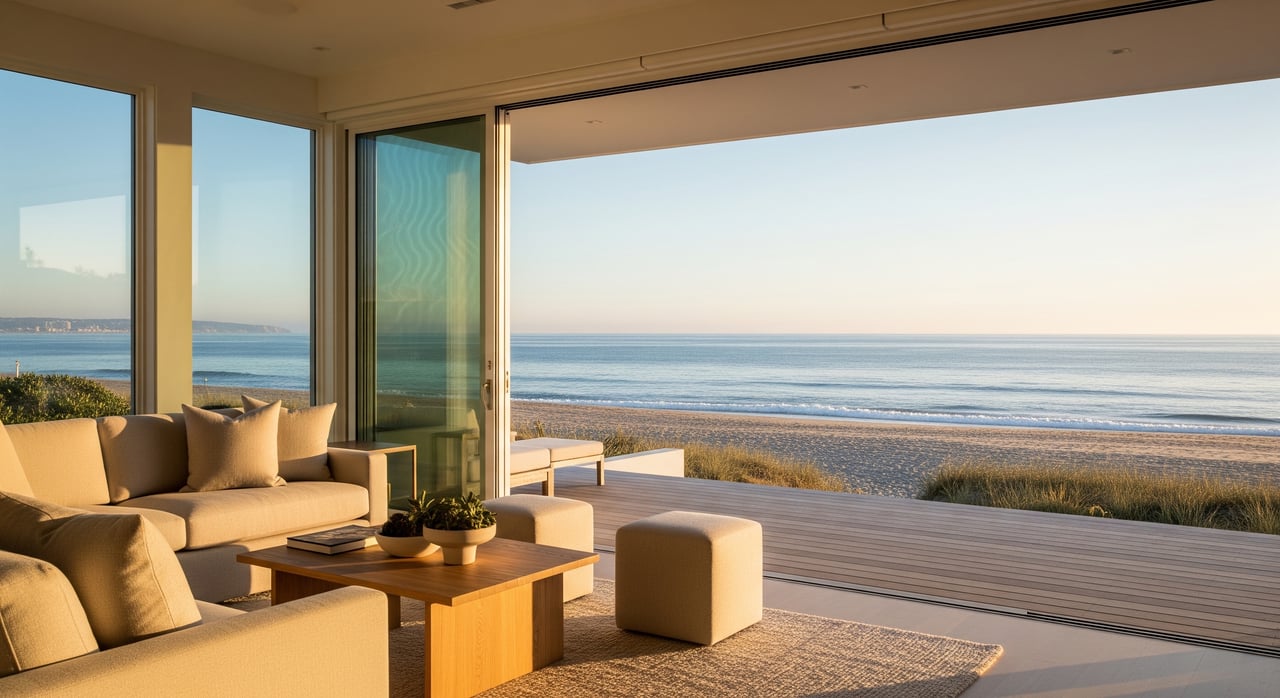
Everyday Living In Manhattan Beach: What To Expect
February 5, 2026
February 5, 2026
What does a typical Tuesday look like when you live steps from the sand, a short drive from major job hubs, and minutes from favorite coffee spots and parks? If you are weighing a move to Manhattan Beach, you want a real feel for daily life, not just the postcard views. In this guide, you will learn how locals spend their days, how people get around, what it costs to live here, and smart ways to explore the city before you buy or rent. Let’s dive in.
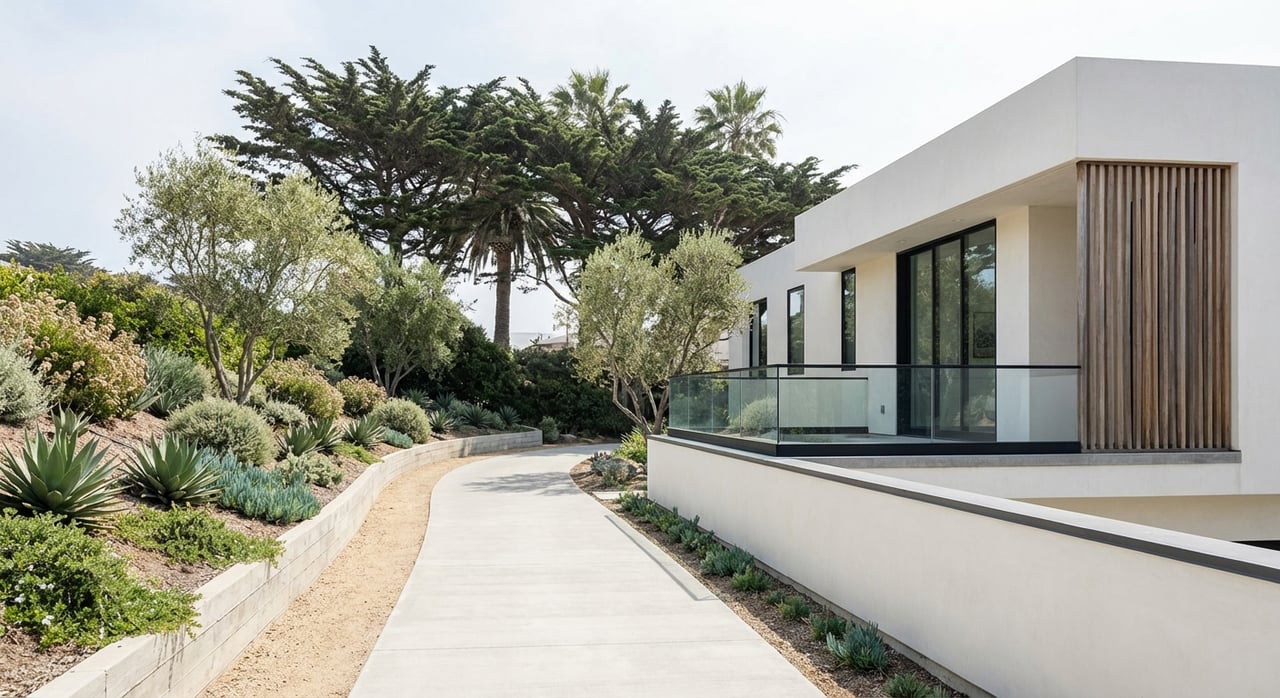
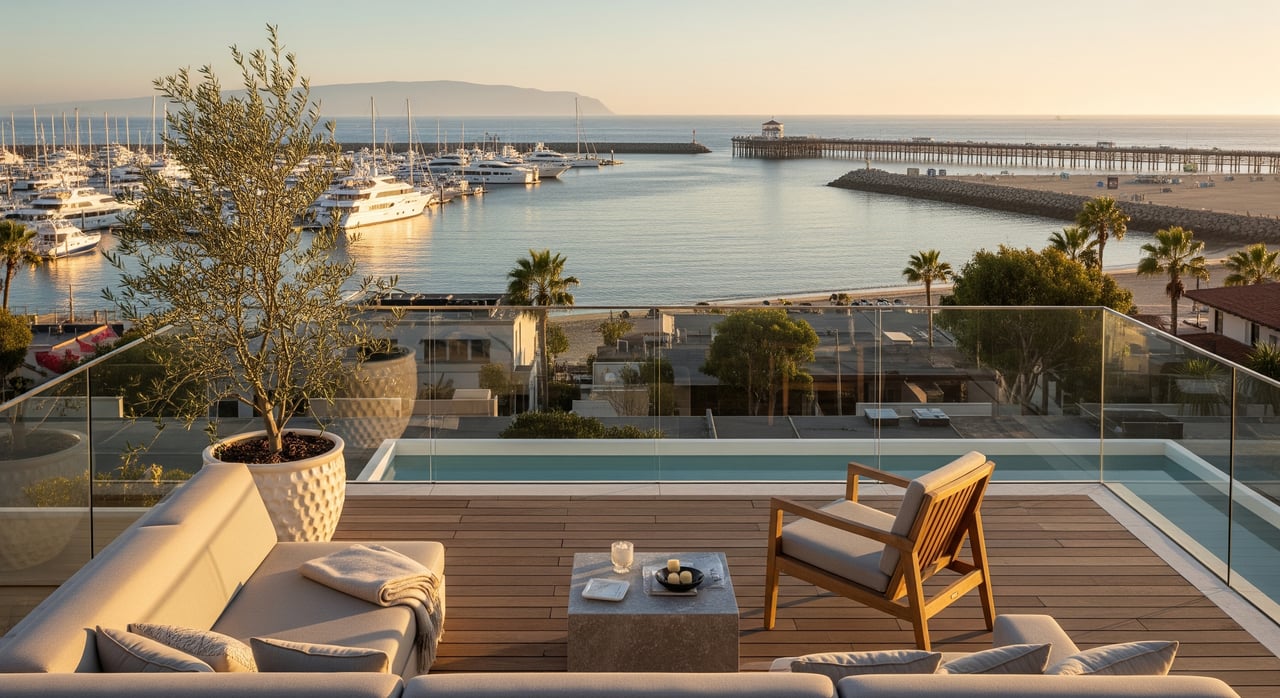
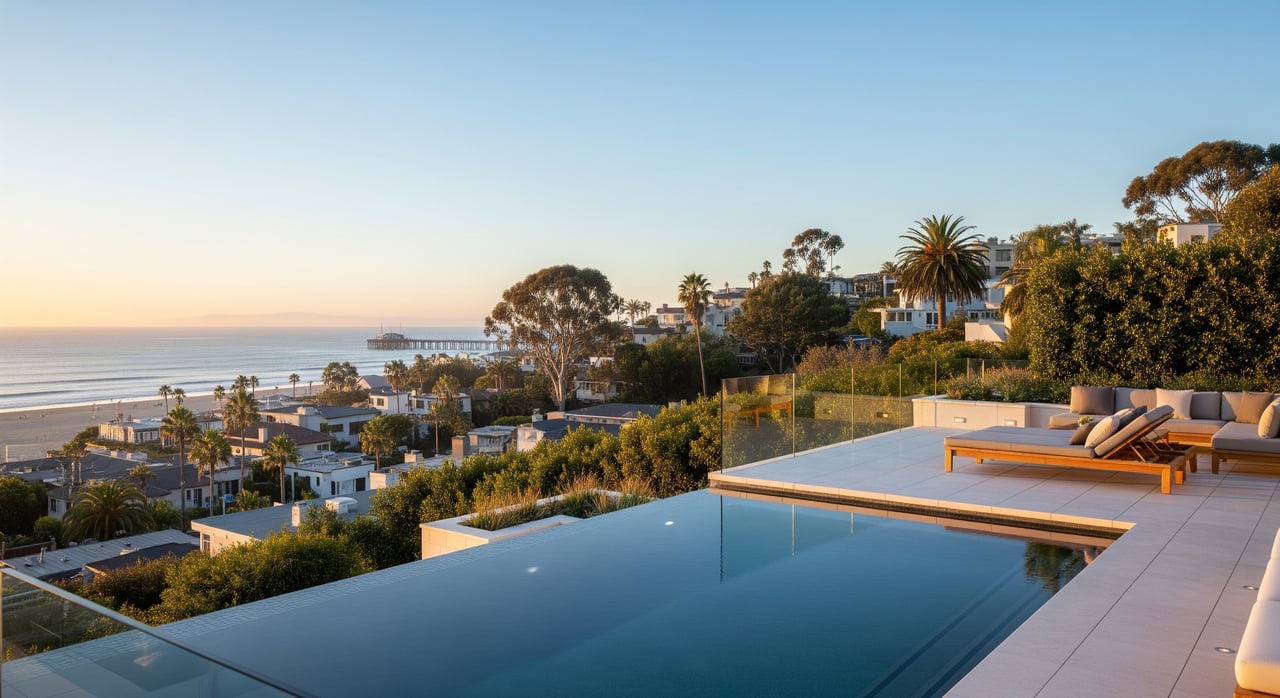
Manhattan Beach is a compact coastal city in the South Bay with a year-round residential community and a strong beach-oriented lifestyle. The built environment blends single-family homes, a number of condos and townhomes, and a smaller share of apartments. The downtown pier area anchors dining and retail, while tree-lined inland streets offer a quieter residential feel.
You will notice distinct micro-areas across town. The Strand fronts the beach path and draws constant pedestrian and bike activity. North Manhattan and the Hill feature more single-family homes and calmer blocks. Manhattan Village and inland centers provide convenient shopping and services. El Porto at the north end has a surf-forward vibe that feels a bit different from downtown.
This is the most walkable, lively part of the city, with cafes, independent restaurants, boutique shops, and surf and athletic retail. You can grab coffee, stroll to the sand, and run errands on foot. It is also where you will see the most visitor activity, especially on weekends and in summer.
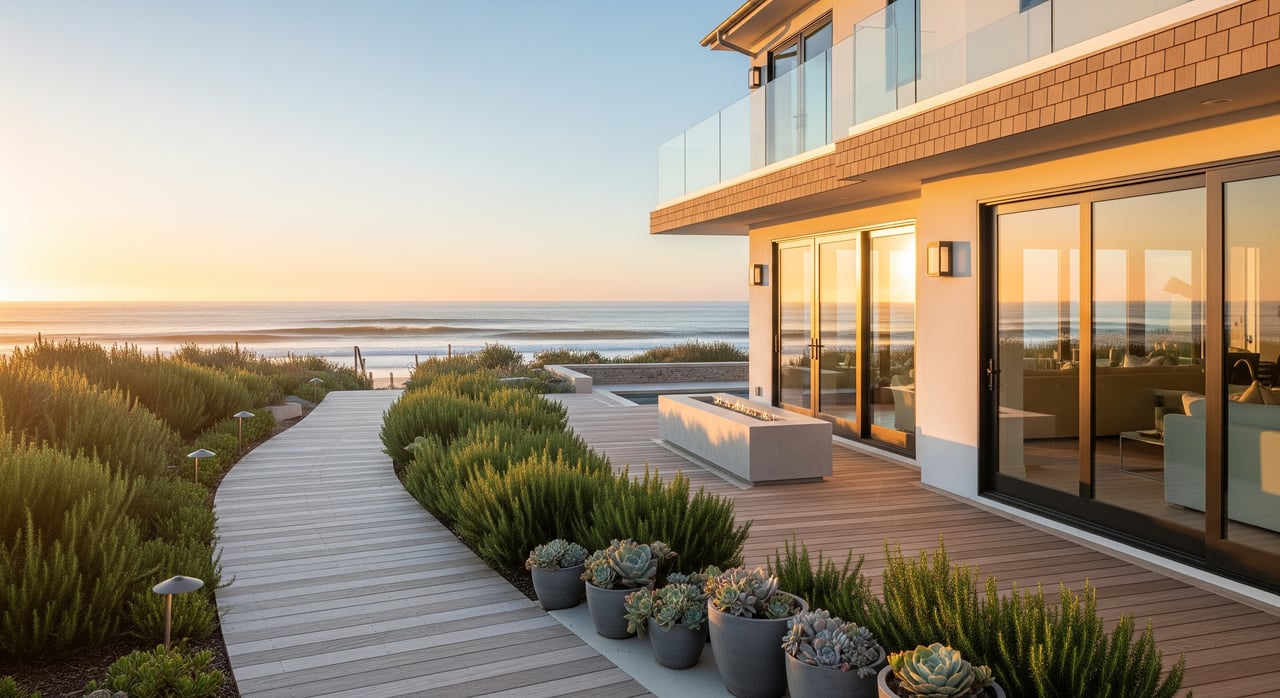
The Strand is a hub for morning runs, sunset walks, and casual bike rides. Homes along the beachfront enjoy direct access to the path and sand. Activity peaks on warm days and during major beach events, so expect more foot traffic and limited parking during those times.
Inland from the coast, these residential blocks offer wider streets in places and a quieter rhythm. Many homes sit within a short drive or bike ride of dining and the beach, with parks and schools integrated into daily routes.
This area adds convenience for groceries, chain retail, and services. You will find townhomes and condos near shopping, plus single-family homes on surrounding streets. It is practical for quick errands and offers an easier parking experience compared with the beach blocks.
At the city’s north border, El Porto is known for consistent surfing and a more laid-back boardwalk scene. Mornings often begin with surf checks and coffee, and the pace stays casual through the day.
The coast shapes everyday life. The Strand offers an easy route for exercise, short trips, and fresh air any time of day. Surfing is part of the routine, and El Porto is a go-to spot for many surfers. You will find public beach volleyball courts, outdoor fitness meetups, and structured leagues for kids and adults.
Parks add variety to the beach routine. Polliwog Park is a larger inland park with playgrounds and community programming. Smaller parks and green spaces across the city support picnics, meetups, and after-school play. City Parks and Recreation programming changes seasonally, so check schedules before planning.
Community events create a steady rhythm throughout the year. Farmers markets pop up on scheduled days, and the city hosts notable beach volleyball tournaments, seasonal festivals, and arts events. Calendars shift year to year, so confirm current dates if you plan a visit around an event weekend.
You will find a coastal food culture with a mix of casual beachfront dining and intimate local restaurants. Morning coffee spots get busy with pre-work beachgoers and school families. The pier area clusters independent eateries and shops, while Manhattan Village and inland centers serve daily needs with more chain retail and services.
Farmers markets provide fresh produce and a place to connect with neighbors. If you like to cook at home, you can pair market finds with staples from nearby supermarkets and specialty stores. Big-box shopping is available in the broader South Bay if you need options beyond what is in town.
Most residents rely on cars for work and errands, and household parking is an important quality-of-life factor. Driveways, garages, and street permits matter in day-to-day planning, especially near the beach. Traffic is heaviest on weekday peaks and summer weekends. Main corridors include Sepulveda, Manhattan Beach Boulevard, Highland, and Aviation.
If you commute, proximity to the 405 and 105 corridors is a practical advantage for reaching job centers in El Segundo, the Westside, Downtown LA, and other South Bay cities. Los Angeles International Airport is relatively close, which makes travel more convenient depending on traffic conditions.
Public transit exists but is not the primary choice for most daily commutes. Beach Cities Transit connects Manhattan Beach to nearby South Bay communities, and Metro bus routes provide regional links. There is no rail station in the city, so many residents combine driving with a bus connection or rideshare for longer trips.
For short in-town trips, walking and biking work well, especially near downtown and the Strand. Bike infrastructure varies on arterial streets, so many cyclists stick to the beach path for leisure and short rides.
Parking near the beach and downtown is competitive on warm weekends and holidays. Public lots and metered streets help, but many residents value off-street parking at home to reduce the day-to-day hassle.
Manhattan Beach is one of the higher-cost communities in Los Angeles County. The premium reflects beachfront proximity, limited housing supply, and strong demand. Everyday expenses, from dining to services, tend to run higher than many inland neighborhoods, which is typical for coastal South Bay cities.
Housing choices include single-family homes, condos, townhomes, and a smaller number of apartments. Single-family homes are the most common and generally command the highest values. Condos and townhomes can provide a more attainable entry point, though still at a premium compared with county averages. The rental market is tight, and monthly rents are also above broader Los Angeles norms.
If you plan to buy, factor in LA County property taxes, plus any parcel-specific assessments. Condos and some newer developments include HOA dues that cover shared maintenance and amenities. If you are comparing neighborhoods, also consider commute patterns, parking, and seasonal visitor traffic when setting your budget.
The Manhattan Beach Unified School District serves the city, and school-centered schedules shape many weekday routines for families. After-school programs, youth sports, and community activities are common. Childcare and preschools are available, though waitlists can occur during peak demand.
Healthcare access includes primary care and urgent care options nearby, with larger hospitals and specialists in the broader South Bay and greater Los Angeles area. Grocery stores, pharmacies, and daily services are easy to reach, especially if you live near Manhattan Village or downtown.
For objective information on demographics, crime statistics, and other public data, review official city and county sources. Event calendars and city pages are helpful for confirming current rules, schedules, and seasonal updates.
What you may love
Consider before you commit
If Manhattan Beach fits your lifestyle, a local plan makes all the difference. We can help you compare neighborhoods, weigh commute and parking tradeoffs, and identify on- and off-market opportunities that match your goals. For tailored guidance and a clear next step, connect with the Steve and Helen Nimeh Real Estate Group to get a free home valuation and local market consultation.
Stay up to date on the latest real estate trends.
Get assistance in determining current property value, crafting a competitive offer, writing and negotiating a contract, and much more. Contact us today.