Thinking about when to make your move in Redondo Beach? Timing can shape your price, your stress level, and your options. You want the sweet spot where demand is on your side if you’re selling, or competition is lighter if you’re buying. In this guide, you’ll learn how the market shifts through the year, how our coastal climate changes the usual playbook, and what steps help you win in any season. Let’s dive in.
Redondo Beach seasonality at a glance
Across California, listing activity usually climbs in late winter and spring, peaks in spring to early summer, then tapers through late summer and fall before reaching a low around the holidays. Buyer competition and pricing pressure often crest in late spring and early summer. That shows up as more new listings, a wave of pending and closed sales that follow, higher sale-to-list ratios, and fewer days on market.
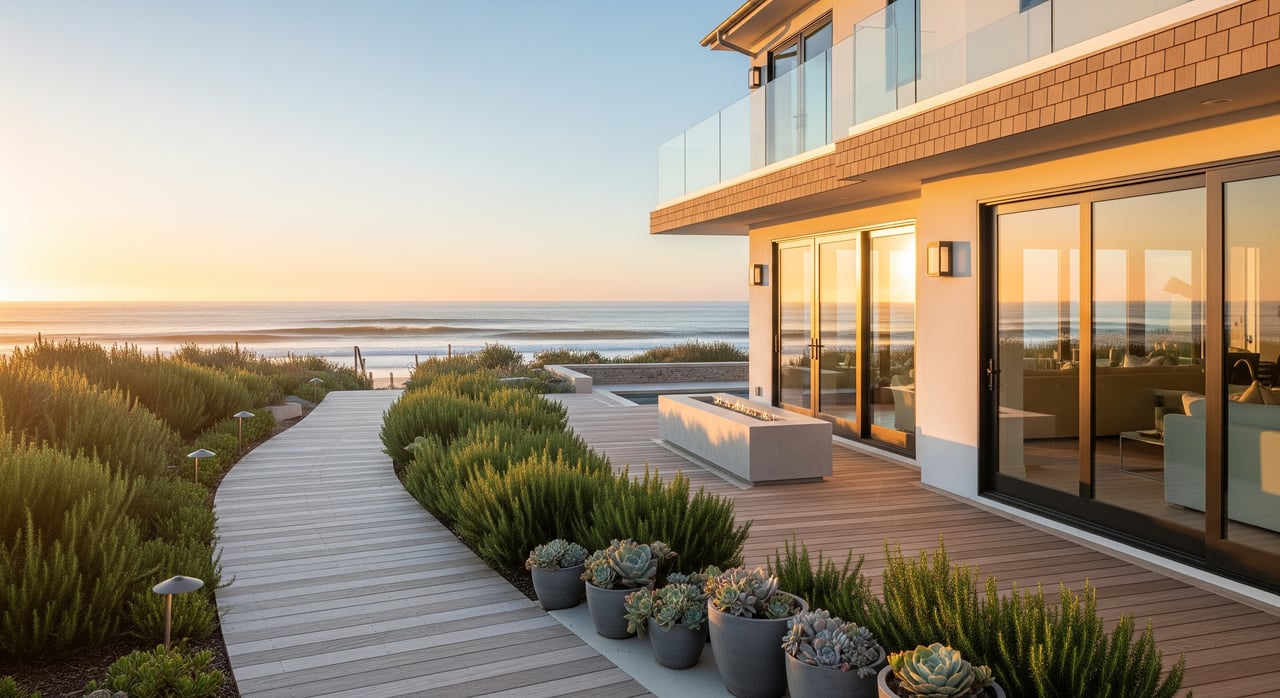
In Redondo Beach, the same pattern often appears, but with a twist. Our mild, coastal weather means winter slowdowns are less dramatic than inland markets. You tend to see steadier year-round buyer activity, especially for condos and turn-key homes, while family moves still concentrate in the summer break window.
The big picture: listings and showings generally surge in spring, competition is strongest in late spring to early summer, and the quietest stretch typically arrives in late fall and the holidays. The differences here are usually in degree, not direction.
Local factors that shape the cycle
Several Redondo Beach specifics can amplify or mute seasonality:
- Coastal climate. Mild weather and plenty of showable days reduce the winter slowdown you see in colder markets. Buyers stay active longer into the year.
- Limited land and inventory. As a compact city with two main ZIP codes (90277 and 90278) and a mix of single-family, condo, and townhome options, supply is tight. Smaller seasonal price swings are common when demand stays steady.
- Neighborhood and property mix. Beachfront, Harbor, and Riviera-area homes can attract out-of-area and investor interest that follows travel, financial, or 1031 timelines. Those segments often march to their own rhythm.
- School calendar. Family buyers still aim for summer closings to make school transitions smoother, so late spring through midsummer can be busy for family homes.
- Remote work and rates. Since 2020, more flexible work has softened strict summer-only timing for some buyers. Mortgage-rate shifts can also amplify or dampen the usual spring surge.
What to expect each season
Spring (February to June)
Spring usually brings the most new listings and the widest selection. Buyer traffic picks up, and highly desirable homes can move quickly. Sale-to-list ratios often improve, with fewer concessions and shorter days on market.
- For sellers:
- Consider listing early in spring to catch demand before inventory peaks.
- Invest in great photography, staging, and outdoor polish. Curb appeal matters.
- Expect stronger interest and potential multiple offers when priced right.
- For buyers:
- Prepare a solid pre-approval and move fast on homes that fit.
- Expect competition on well-priced listings. Consider clean terms and thoughtful escalation strategies when appropriate.
Summer (June to August)
Activity tends to stay strong into early summer, then can level off in late July or August as vacations pull people away. Family moves are still common, and homes with outdoor living shine.
- For sellers:
- Play up outdoor spaces and walkability. Plan timelines with school calendars as needed.
- You can still see competitive offers, especially on family-friendly homes.
- For buyers:
- Keep searching; late-summer price flexibility sometimes appears on listings that linger.
- Be ready to tour quickly around vacation schedules.
Fall (September to November)
Listings and buyer traffic typically ease. The buyers who remain are serious, and sellers on the market may be more open to terms.
- For sellers:
- Realistic pricing and smart marketing can stand out in a quieter feed.
- Target motivated buyers with flexible showing times and strong presentation.
- For buyers:
- Leverage the calmer pace for thorough inspections and negotiation on price or credits.
- You may find better terms, though selection narrows.
Winter and holidays (December to January)
This is usually the slowest period for new listings and sales. Only motivated parties tend to transact, and market time can stretch.
- For sellers:
- Set expectations carefully. If you must list, lean into high-impact marketing and flexible access.
- Certain niches, including luxury and waterfront, may still see active, deadline-driven buyers.
- For buyers:
- You may face less competition and improved negotiation room.
- Confirm lender timelines and rate locks around holiday schedules.
By property type and area
Condos and townhomes
Demand is often steadier year-round, supported by investors and buyers who are less tied to the school calendar. Seasonality exists but is usually gentler.
Single-family homes inland and near schools
Family timing tends to cluster around late spring to midsummer to align with school transitions. You may see stronger competition during that window.
Waterfront, Harbor, and luxury
These segments can follow travel seasons and financial calendars. Activity can spike at different times than the broader market. Pricing and absorption may be less seasonal and more event or inventory driven.
How to time your move
There is no one-size-fits-all answer. Your best timing depends on your goals, your property type, and what is happening in your exact micro-market.
- If you are selling:
- Aim for late spring to early summer for broader exposure and competition. Listing slightly earlier in spring can help you stand out.
- In fall and winter, focus on sharp pricing, strong visuals, and flexible access to capture motivated buyers.
- If you are buying:
- Use late fall and winter to find negotiation room and slower pacing.
- In spring, get fully underwritten if possible and be ready with clean terms.
A simple timeline to consider:
- 6–8 weeks out: Consult on pricing strategy, prep plan, and local trends by ZIP code and property type.
- 3–5 weeks out: Complete cosmetic updates, deep cleaning, and staging. Line up photography and marketing assets.
- 1–2 weeks out: Final pricing review based on fresh actives and pendings. Launch with maximum visibility.
Key metrics to watch
To understand what season you are in and how strong it is this year, track these metrics over the last 3–5 years and by property type or ZIP code:
- New listings and active inventory by month
- Pending and closed sales by month
- Median sale price and price per square foot by month
- Days on market and months of inventory
- Sale-to-list price ratio
Looking at multi-year averages helps separate true seasonality from one-off shifts such as mortgage-rate spikes or unusual years.
What to do next
Use the seasonal rhythm to your advantage, but verify this year’s trend before you act.
- Review monthly charts for 90277 and 90278 to see current listing and pricing arcs.
- Get a lender pre-approval so you can move quickly if the right home appears.
- If selling, complete a light-prep checklist: paint touch-ups, landscaping, minor repairs, and a pre-listing walkthrough with your agent.
- If buying, set clear budget and criteria, then watch days on market and price reductions for openings.
When you are ready, we will tailor a plan to your timing, your property type, and your neighborhood.
Ready to align your move with the market? Connect with the Steve and Helen Nimeh Real Estate Group for a free home valuation and local market consultation. We will share micro-market trends, advise on prep, and guide your strategy with calm, data-minded expertise.
FAQs
What is the typical best time to sell in Redondo Beach?
- Late spring to early summer often brings the most buyer activity and stronger pricing, though exact timing varies by year, property type, and neighborhood.
Is winter the cheapest time to buy a home in Redondo Beach?
- Winter can offer less competition and more room to negotiate, but selection is thinner and savings are usually smaller than in colder inland markets.
How much do prices swing across seasons locally?
- Price swings exist, but they are typically smaller in coastal, inventory-constrained markets like Redondo Beach. Check 3–5 years of monthly medians for context.
Do interest rates change seasonal patterns?
- Yes. Rising or falling rates can amplify or mute the usual spring surge or winter slowdown. Rate trends often matter as much as the calendar.
Are some neighborhoods more seasonal than others?
- Areas with consistent demand, including waterfront and Riviera-adjacent pockets, can show steadier activity. Other areas may follow a clearer spring–summer peak.
Should I wait for spring to list, or list now?
- It depends on your goals, your home’s segment, and current inventory. Strong prep, pricing, and presentation can succeed in any season when strategy fits the market.