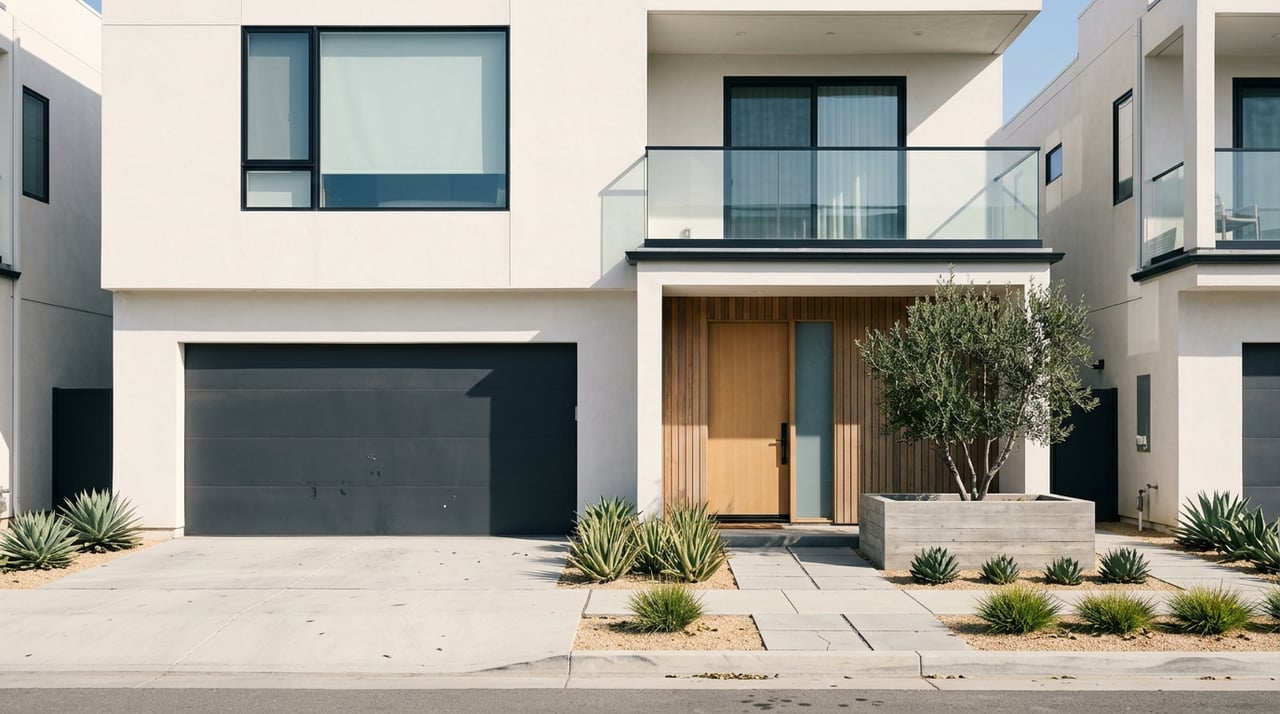
Townhome Living In El Segundo: Space, HOA And Lifestyle
March 12, 2026
March 12, 2026
Is a townhome the sweet spot in El Segundo right now? With stand-alone home values sitting in a premium tier, you might be weighing how to balance space, convenience, and budget without giving up the South Bay lifestyle you love. In this guide, you’ll see what townhome living really looks like in El Segundo, from floor plans and parking to HOA fees and financing. You’ll leave with a clear checklist and next steps. Let’s dive in.
El Segundo commands premium pricing. As of January 31, 2026, Zillow reports a typical home value of about $1,688,483. Townhomes in the city tend to trade below most detached single-family homes and above basic, low-amenity condos. In practice, many El Segundo townhomes sell in the roughly $900,000 to $1.7 million-plus range depending on age, size, and finishes.
If you want a house-like feel with less exterior maintenance and a more approachable price than many single-family homes, a townhome can be a smart path into the neighborhood.
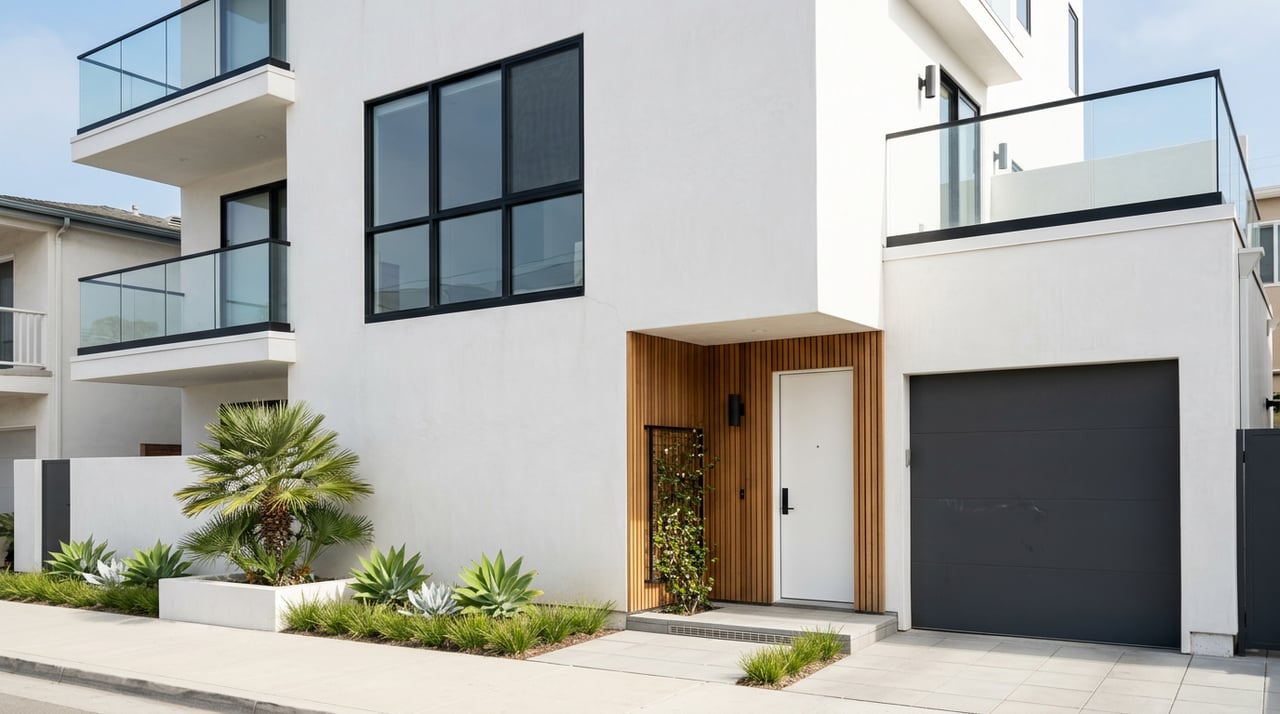
Most El Segundo townhomes are two or three levels with a private entry. You often see 2 to 3 bedrooms, in-unit laundry, and an attached 1 to 2 car garage with direct access. Many include a bonus area for an office or workout zone.
Typical interior sizes run about 1,200 to 1,750 square feet, with a mix of older communities from the 1970s–1990s and newer infill or energy-conscious builds from the 2010s. Storage tends to be better than in stacked condos thanks to garages and under-stair nooks.
Expect a small private patio or balcony, and sometimes a roof deck. Townhomes usually feel more private than stacked condos because you enter directly from the street or a small courtyard rather than a shared hallway. You still share side walls, so it helps to ask about construction details and any sound-reduction upgrades the HOA encourages.
Private garage parking is common with townhomes, but guest parking varies by community. Some complexes offer marked visitor stalls, while smaller associations may rely on street parking.
El Segundo’s zoning and specific plans set different parking minimums by area and project type. The Downtown Specific Plan outlines standards that create variability across districts, which can affect onsite parking counts in newer developments. You can review the city’s planning document for context in the Downtown Specific Plan.
If you expect to lean on street parking, you should know the city operates preferential residential parking zones. Qualifying residents can usually obtain up to three resident permits and up to two guest permits, which can be a big help for households with extra vehicles or frequent visitors. You can see eligibility and rules on the city’s page about preferential parking zones.
Thinking about occasional short-term rentals? El Segundo’s home-sharing program requires one parking space per bedroom, among other occupancy and permitting rules. Review details in the city’s short-term home-sharing program before you commit to a purchase with rental plans.
Pro tip: Ask early for the HOA parking map and written confirmation of which spaces are deeded, assigned, or common. Then compare that to any nearby city permit zone boundaries.
In California, common-interest communities are governed by the Davis–Stirling Act. It sets owner rights, access to records, budgeting and reserve rules, and key disclosures. If you are considering an attached home with an HOA, knowing your rights under the Davis–Stirling Act helps you request the right documents and ask better questions.
Order the HOA resale packet as soon as your offer is accepted. It should include CC&Rs, bylaws, the current budget and financials, a reserve study or summary, recent board minutes, the association’s insurance declarations, any special assessment notices, a delinquency summary, and an estoppel or certificate showing the unit’s fee status. A concise overview of what to expect appears in this guide to HOA information and records.
When you review, look for three red flags: recent or ongoing litigation, large near-term capital projects, and weak reserve funding. Any of the three can change your carrying costs and future resale appeal.
Monthly HOA dues in El Segundo vary by age of the community, what the association maintains, and any amenities. Townhomes that operate more like fee-simple or PUD ownership often have lower dues because owners handle more exterior maintenance. Townhomes recorded as condominiums may pay more if the HOA insures and maintains building exteriors. Recent local listing examples show dues in the low hundreds per month in several complexes, with samples in the roughly $255 to $433 range, but there is wide variation by project and services provided.
Associations buy a master insurance policy that covers common areas and sometimes parts of the building shell. As an owner, you typically need an HO-6 policy for your interiors, improvements, contents, and liability. It is smart to add loss assessment coverage in case the HOA issues an assessment tied to a high master policy deductible. Learn how unit-owner policies work in this overview of condo insurance coverage. Always confirm whether the HOA policy is bare-walls, single-entity, or all-in, and note the deductibles.
“Townhome” describes the design, not the legal ownership. A townhome can be recorded as a condominium, a PUD, or fee-simple attached lots. The recorded documents decide who maintains what, how insurance is structured, and which loans will work smoothly.
If a townhome is legally a condo, lenders use project-level reviews that check budgets, reserves, insurance, and litigation. This can affect timelines and which loan types are available. Fannie Mae outlines these rules in its project standards. FHA and VA loans may require project approval too, so verify eligibility early with your lender.
If a townhome is fee-simple or a PUD, many lenders treat it more like a single-family home with fewer project-level hurdles. Either way, confirm the legal form through the preliminary title report and recorded plat.
If a house-like feel with a manageable HOA and a South Bay lifestyle is what you want, an El Segundo townhome deserves a close look. The key is to confirm legal form, parking, and HOA strength before you fall in love with finishes. When you are ready to compare options or pressure-test a specific address, connect with the local team that lives and works this corridor. Reach out to the Steve and Helen Nimeh Real Estate Group for personal guidance and a clear plan.
Stay up to date on the latest real estate trends.
Get assistance in determining current property value, crafting a competitive offer, writing and negotiating a contract, and much more. Contact us today.