New Vs Older Homes In Manhattan Beach: Buyer Trade-Offs
April 16, 2026
April 16, 2026
Wondering whether to buy a newer home or an older one in Manhattan Beach? You are not alone. In a market where many homes were built decades ago and new inventory usually comes from redevelopment, the choice often comes down to a simple trade-off: pay more upfront for a turn-key property, or buy an older home with character and plan for updates over time. This guide will help you weigh the pros, costs, and local rules that shape that decision in Manhattan Beach. Let’s dive in.
Manhattan Beach is not a market with endless brand-new subdivisions. The city is largely built out, and new residential supply mostly comes from rebuilding or redeveloping existing parcels, not from opening up large areas of vacant land.
That matters because your options are usually not “new development versus resale” in the suburban sense. Instead, you are often comparing a recently rebuilt or heavily renovated home against an older property that may offer a different layout, lower relative entry point, or future project potential.
The housing stock also leans older. According to SCAG’s Manhattan Beach profile, 57.2% of housing units were built before 1970, and 69.3% are single-family detached. In other words, older homes are not the exception here. They are a major part of the market.
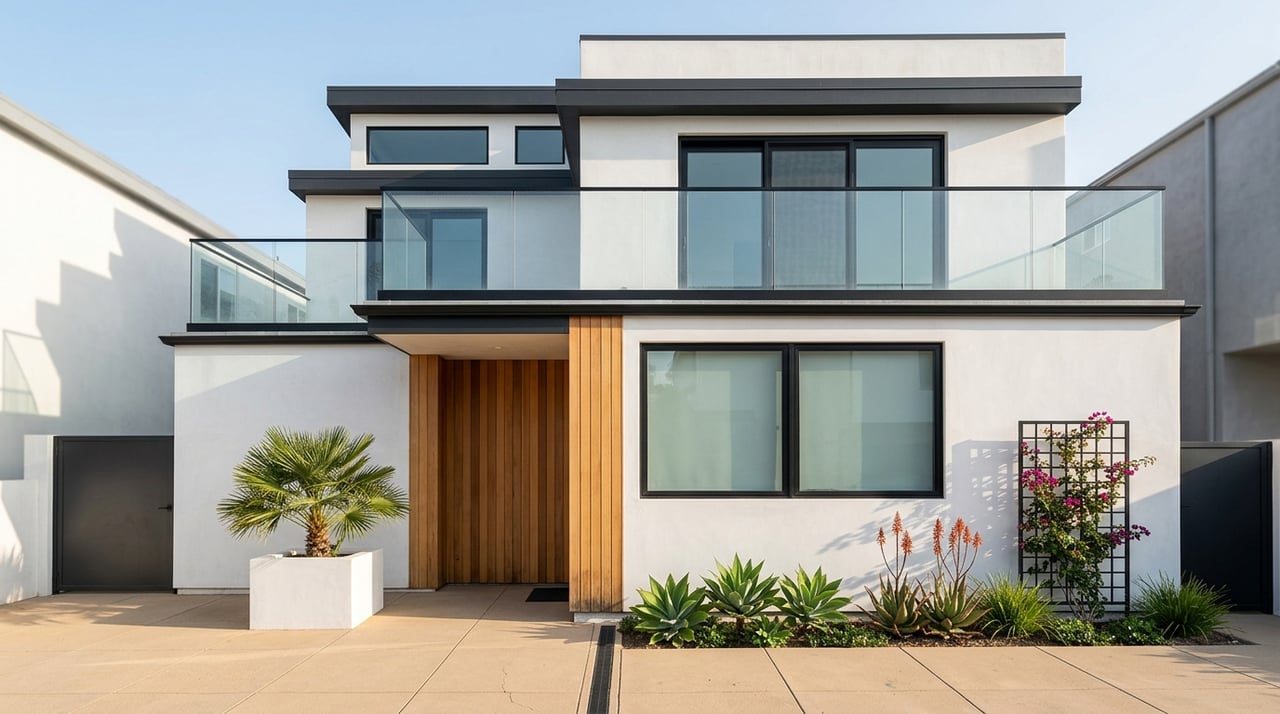
Newer homes in Manhattan Beach tend to appeal to buyers who want convenience, modern finishes, and fewer near-term repair surprises. In a high-price market, that predictability can feel worth the premium.
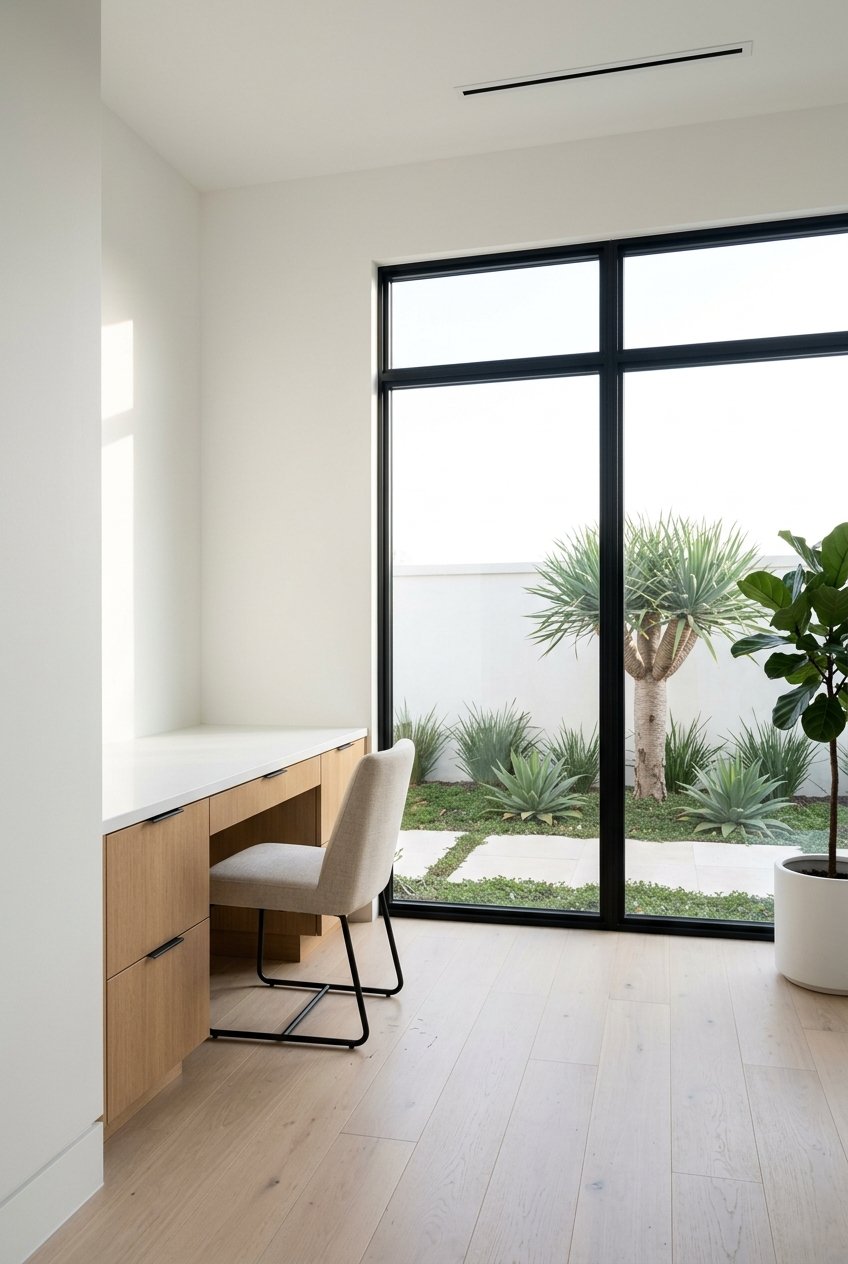
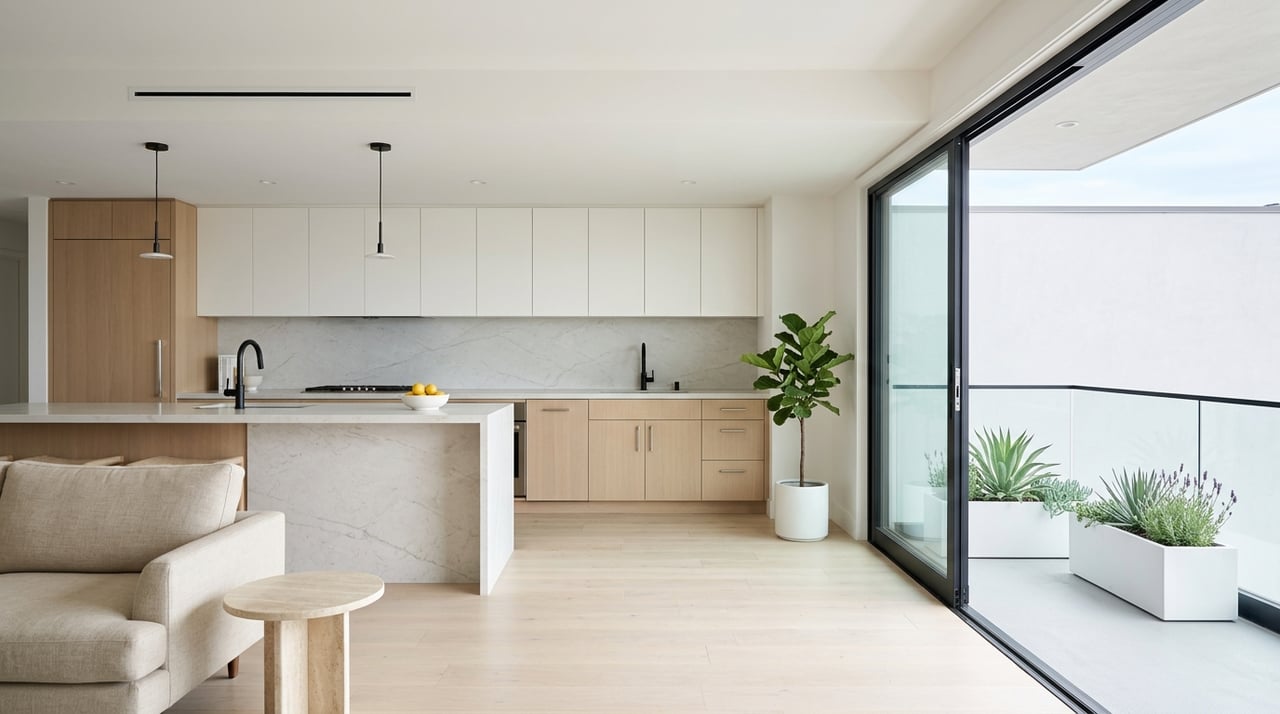
Modern construction also tends to align with how many buyers want to live today. Local trend data from Redfin highlights features like open-concept living, glass sliding doors, cathedral ceilings, lanais, and French doors. That points to a strong local preference for indoor-outdoor flow and move-in-ready design.
If you are considering newer construction, these are often the biggest benefits:
California’s latest Energy Code update took effect on January 1, 2026, and applies to new homes as well as certain additions and alterations. The U.S. Department of Energy also notes that new homes are often evaluated using HERS ratings, which consider insulation, windows, heating and cooling systems, and air leakage. For you, that can translate into a home that feels more efficient and more comfortable from day one.
The biggest drawback is usually the upfront price. Manhattan Beach is already expensive, with Redfin reporting a February 2026 median sale price of $4.0 million. When you buy a newer or fully updated home, more of your budget often goes into finished condition, current design, and reduced repair risk right away.
That can be a smart move if you value ease and timing. But it may also mean paying a premium for finishes and construction choices that you did not select yourself.
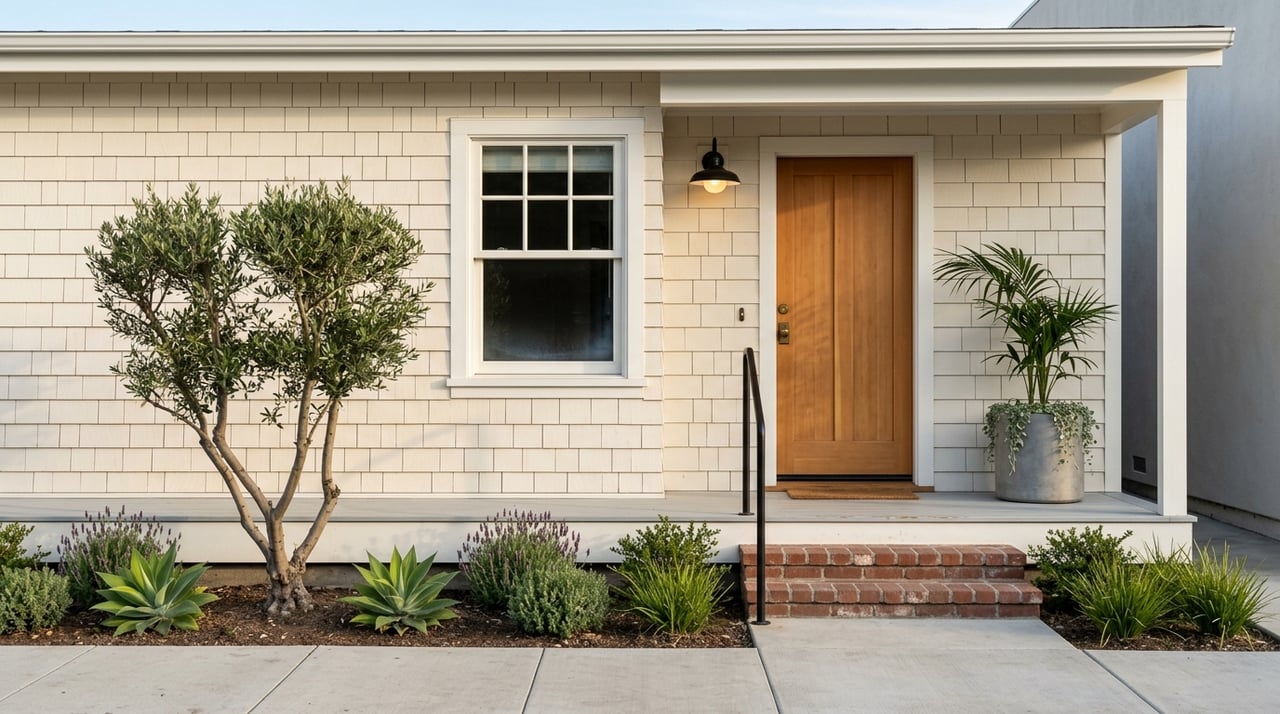
Older homes continue to draw strong interest in Manhattan Beach for good reason. Some buyers want the architectural character, while others see a chance to renovate, expand, or rebuild over time.
The city’s historic preservation program notes that many older structures remain after decades of redevelopment. That helps explain why older homes still contribute so much to the feel and variety of the local housing stock.
There is also a practical side to the appeal. The city has acknowledged that smaller nonconforming dwellings tend to be less costly than newer housing. For some buyers, that creates a path into Manhattan Beach that may be more flexible than stretching for a turn-key home.
An older home may make sense for you if you want:
For buyers with patience and vision, an older property can be more than a home purchase. It can be a long-term project with upside, especially in a market where land is limited and redevelopment is common.
The upside of an older home comes with more due diligence. In Manhattan Beach, that is especially important because coastal conditions and aging systems can create extra maintenance issues.
The U.S. Department of Energy explains that older homes often have less insulation than homes built today, and energy assessments commonly review insulation, windows, HVAC, and air leakage. That means an older home may cost more to improve for comfort and efficiency.
On the coast, there is another factor to watch. FEMA warns that salt spray can accelerate corrosion of metal fasteners and connectors. In practical terms, you may want to pay close attention to exterior hardware, structural connectors, and any systems exposed to ocean air.
If you are considering an older Manhattan Beach home, it is wise to investigate:
You can also review historical records before you commit. The city states that residential microfiche records created before May 1, 2005, have been converted to digital, which can help you confirm archived plans and permits.
In Manhattan Beach, buying an older home is not just about the house itself. It is also about what you may or may not be able to do with it later.
The city regulates residential massing closely. According to the city’s bulk, volume, and mansionization standards, these rules are intended to reduce perceived mass from the street while still allowing design flexibility. The city’s housing element also says building permits are issued administratively, without a separate design review process.
That can be helpful, but it does not mean every remodel is simple. Lot size, setbacks, and zoning constraints still shape what is possible, and those factors vary by district.
If the property is in the Coastal Zone, you may need another step in the process. The city explains that it processes its own coastal permits because its Local Coastal Program is certified, and typical Coastal Development Permit timing is 6 to 8 weeks.
That timeline may or may not be a major issue, depending on your plans. But if you are comparing a ready-to-go newer home with an older home that needs work, permitting time should be part of your decision.
Lot dimensions can also affect your options. The city’s housing element notes zoning patterns that include minimum lot sizes ranging from 7,500 square feet inland to 2,700 square feet in coastal districts, with different front setback requirements depending on location. Since Manhattan Beach is mostly built out with only a few vacant parcels, every site constraint matters more.
Trees can add another layer. The city’s tree ordinance notes that protected trees in front and corner-side setbacks may require permits, replacement trees, and arborist documentation.
Because the city also notes that some 2025 Title 10 and 11 code revisions may not yet appear on the municipal code webpage, exact setback and lot-size standards should always be rechecked during your transaction and planning process.
Here is the simplest way to think about the trade-offs in Manhattan Beach.
| Factor | Newer Home | Older Home |
|---|---|---|
| Upfront cost | Usually higher | Often lower relative to finished homes |
| Near-term repairs | Typically fewer | Often more likely |
| Layout | Usually more modern | May be more traditional or compact |
| Energy performance | Often stronger | May need upgrades |
| Character | Varies by build | Often a key selling point |
| Project potential | Usually limited if already finished | Often higher for renovation or rebuild |
| Permitting needs later | Less likely right away | More likely if you plan changes |
If you want a home you can move into and enjoy with minimal disruption, a newer property may fit better. You may pay more upfront, but you are often buying convenience, efficiency, and a more current lifestyle layout.
If you are comfortable taking on improvements, an older home may offer more flexibility. You could gain character, renovation potential, and the chance to shape the home around your priorities over time.
In Manhattan Beach, this decision is often less about age alone and more about your timeline, tolerance for projects, and how you want to allocate your budget. The core trade-off is usually whether you want to pay now for a finished home or buy a project and manage the work later.
When you are comparing specific properties, local insight matters. The right choice depends on the lot, the location, the permit path, and the true cost of updates. If you want help weighing newer versus older homes in Manhattan Beach, the Steve and Helen Nimeh Real Estate Group can help you compare options, spot trade-offs early, and move forward with a clear strategy.
Stay up to date on the latest real estate trends.

Get assistance in determining current property value, crafting a competitive offer, writing and negotiating a contract, and much more. Contact us today.