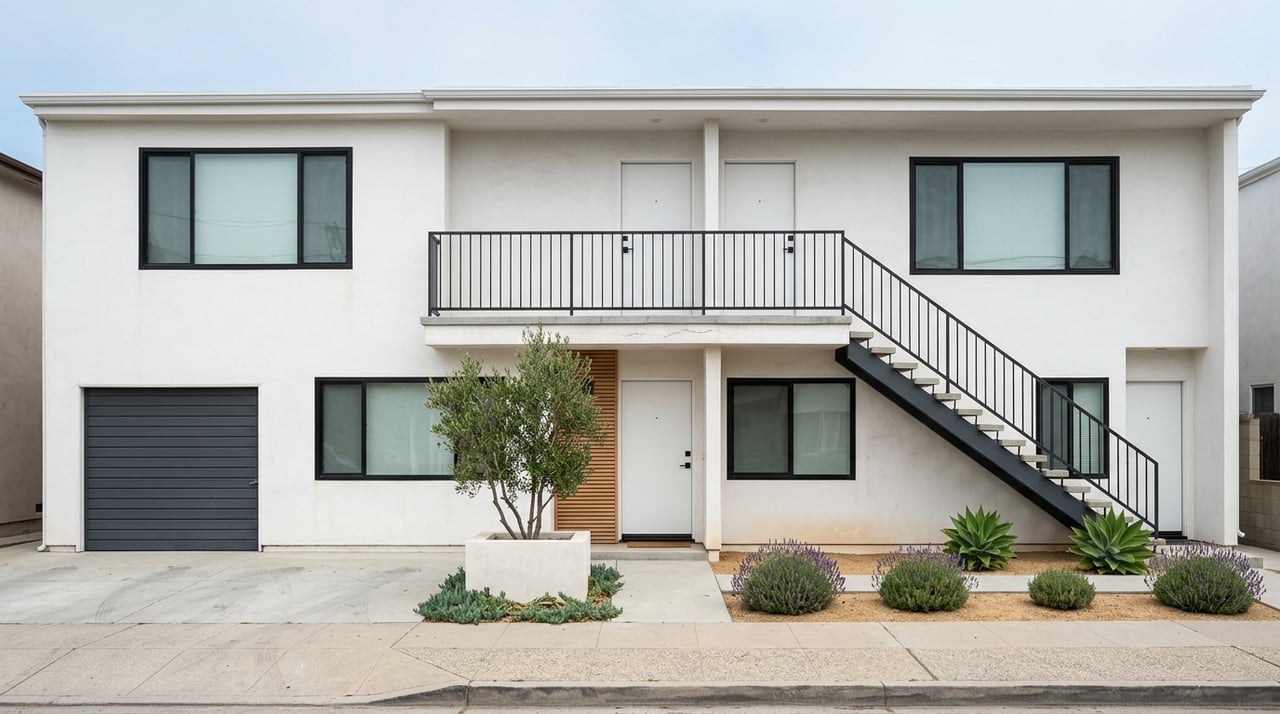
Small Multifamily Investing in Torrance: Investor Guide
April 2, 2026
April 2, 2026
If you are looking at small multifamily investing in Torrance, it is easy to focus on the upside first. Rents are solid, demand is steady, and duplexes through fourplexes can offer a practical way to build income in the South Bay. But Torrance is also a market where older buildings, limited inventory, and local rules can shape your returns just as much as purchase price. This guide walks you through the key factors to weigh so you can evaluate opportunities with more clarity and confidence. Let’s dive in.
Torrance is not overflowing with small multifamily inventory. According to the SCAG Torrance local profile, only 6.3% of housing stock is in 2 to 4 unit properties, while 33.2% is in 5+ unit buildings. That makes duplexes, triplexes, and fourplexes a relatively small slice of the local market.
That matters because scarcity can support demand, but it also means you may have fewer truly comparable properties when you are analyzing value. In a niche segment like this, each property’s condition, parking setup, and unit mix can have an outsized effect on pricing and income potential.
A big part of the Torrance story is age. The same SCAG profile shows 69.3% of housing was built before 1970, and Point2 places the median construction year at 1963. For investors, that means many small multifamily properties come with older systems and deferred maintenance risks.
In practical terms, you should look beyond fresh paint and updated flooring. Roofs, plumbing, electrical service, windows, insulation, and overall building systems deserve close attention. In an older market, capital needs can arrive faster than expected, and those costs can quickly affect your cash flow if you underwrite too aggressively.
Torrance remains a rent-supported market, but rent data varies by source. RentCafe reports an average rent of $2,527, with average 1-bedroom rents at $2,180, 2-bedrooms at $2,919, and 3-bedrooms at $3,607. Apartment List shows a similar pattern, with 1-bedrooms at $2,215, 2-bedrooms at $3,026, and 3+ bedrooms at $3,728.
Those numbers are close, but not identical. That is why it is usually smarter to underwrite with a realistic rent range instead of a single optimistic number. If your deal only works at the top end of the comp set, that is a signal to slow down and recheck the assumptions.
One reason Torrance continues to draw investor attention is that vacancy appears fairly limited. Point2 estimates a 3% rental vacancy rate in Torrance, while the broader South Bay market shows 4.5% vacancy in Northmarq’s Q4 2025 Los Angeles market report. Even though the South Bay figure covers a wider area, it still gives useful context for local underwriting.
A tighter vacancy backdrop can help support rent stability, but it should not lead you to ignore turnover costs or downtime between tenants. Conservative vacancy and credit loss assumptions still matter, especially in older properties where repairs or upgrades may delay leasing.
In Torrance, the most important amenities are often the most basic ones. Point2 reports that 56% of renter households are families, 32% include children under 18, 44% have one vehicle available, and 38% have two vehicles available. That points to demand for functional layouts and reliable parking.
For many small multifamily properties, that means 2-bedroom units, off-street parking, storage, and laundry can be more valuable than flashy upgrades. Current local listing patterns from Apartment List also highlight features like parking, laundry, garages, patios or balconies, dishwashers, pools, and pet-friendly policies.
If you are considering a value-add property, focus on improvements that align with those needs. In Torrance, strong leasing appeal often comes from unit condition and everyday convenience rather than luxury common areas.
Not every unit type performs the same way. Point2 notes that 2-bedroom rentals make up 41% of the rental market, making them the largest share locally. That does not mean every investment should center on 2-bedroom units, but it does suggest that practical mid-sized layouts fit a meaningful portion of tenant demand.
When you review a duplex, triplex, or fourplex, ask how well the unit mix matches current renter preferences. A property with efficient 2-bedroom layouts, usable storage, and parking may have a stronger leasing position than one with awkward floor plans or limited vehicle access.
Return metrics should be grounded in current conditions, not older market expectations. Northmarq’s broader South Bay report shows average cap rates around 5.75% in 2025, with many trades involving older Class C assets built in the 1960s. That fits Torrance’s older housing profile and reinforces the need for realistic assumptions.
The key takeaway is simple: do not base a purchase on outdated cap-rate expectations from a very different market environment. If cap rates have adjusted and expenses have risen, your model needs to reflect that.
For 2 to 4 unit properties, Fannie Mae states that the income approach is required in valuation. Appraisals should include comparable rentals, sales data, and gross rent multiplier calculations. Freddie Mac defines cap rate as the rate used to convert expected NOI into value, and Fannie Mae defines DSCR as net cash flow divided by debt service.
For investors, that means surface-level math is not enough. The National Association of Realtors also notes that GRM is only a rough screening tool because it does not account for vacancy, credit loss, operating expenses, financing, or taxes. GRM can help you sort opportunities quickly, but it should never be the only number driving your decision.
If you are evaluating a small multifamily deal in Torrance, it helps to use a clear process:
This approach helps you move from headline rent numbers to a more realistic picture of actual performance. In a market with older assets, this discipline can protect you from overestimating returns.
In Torrance, zoning is not something to leave for later. The city’s Housing Element states that multifamily housing is permitted by right in most residential zones. It also notes that two-family units are permitted in the R-2, R-3, R-R-3, R-3-3, R-4, R-5, RTH, and R-P zones, while apartment houses are permitted in all residential zones except R-1 and R-2.
That framework can create opportunity, but only if the property’s existing use and configuration line up with the site’s zoning and approvals. Before you close, confirm the zoning status and make sure your business plan fits the property as it actually exists.
California’s Tenant Protection Act information from the Attorney General explains that AB 1482 generally caps rent increases at 5% plus CPI, up to 10%, and adds just-cause protections for many units. Local rules may be stricter, so it is important to check how state and city requirements interact.
In Torrance, the city’s no-fault eviction FAQ says that most rental units with a certificate of occupancy issued before January 1, 2005 are protected under the city’s eviction moratorium, while some owner-occupied single-family residences and duplexes may be exempt. For a buyer, this is a unit-by-unit due diligence issue, not a detail to sort out after closing.
Local operations can influence your ongoing costs and flexibility. Torrance requires annual fire inspections for residential structures with more than three units on a parcel. The city also has a no-smoking ordinance for multi-unit residences.
Its short-term rental rules also matter. In residential zones, short-term rentals are limited to hosted home shares, and multifamily properties generally may have only one short-term rental on the property. If part of your investment thesis depends on alternative income strategies, these rules deserve a careful review upfront.
The strongest small multifamily opportunities in Torrance often share a few characteristics:
In other words, the best deals are often not the most glamorous. They are the ones where the basics work well and the numbers hold up under realistic assumptions.
Small multifamily investing in Torrance is rarely about one headline number. You need to weigh rent support, limited inventory, older construction, parking demand, zoning, and operating rules at the same time. A property can look attractive on paper, but once you account for condition, compliance, and realistic income, the picture may change quickly.
That is where local market knowledge becomes valuable. If you are exploring a duplex, triplex, or fourplex in Torrance and want help pressure-testing the opportunity, the Steve and Helen Nimeh Real Estate Group can help you evaluate the numbers, property context, and next steps with a practical South Bay perspective.
Stay up to date on the latest real estate trends.

Get assistance in determining current property value, crafting a competitive offer, writing and negotiating a contract, and much more. Contact us today.